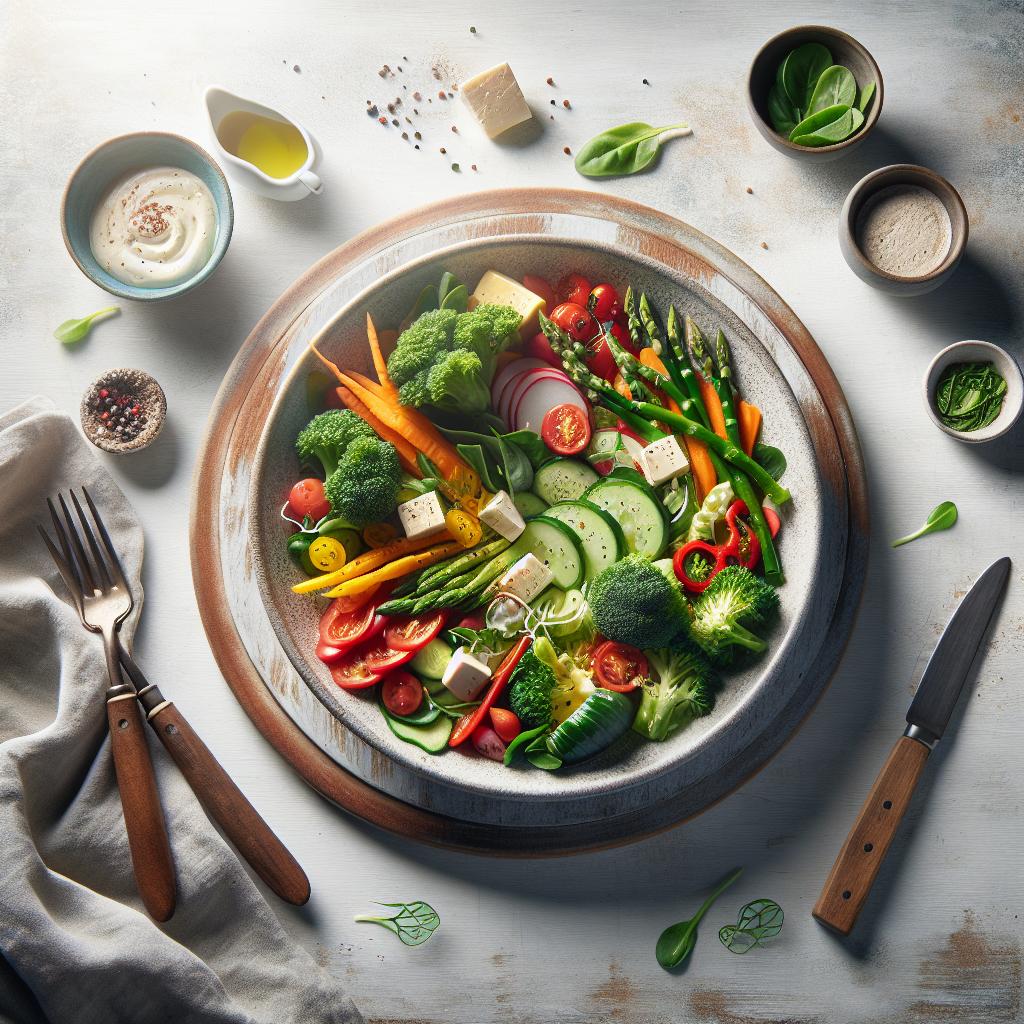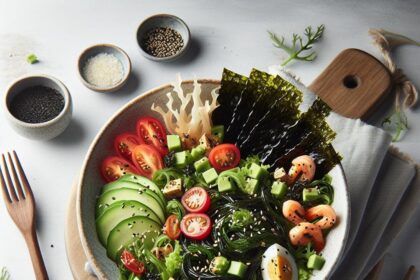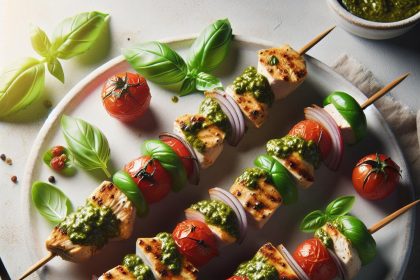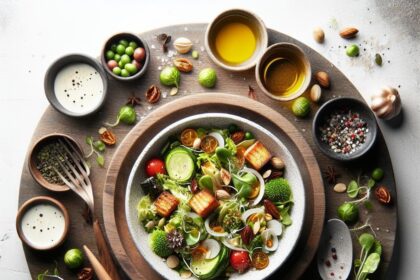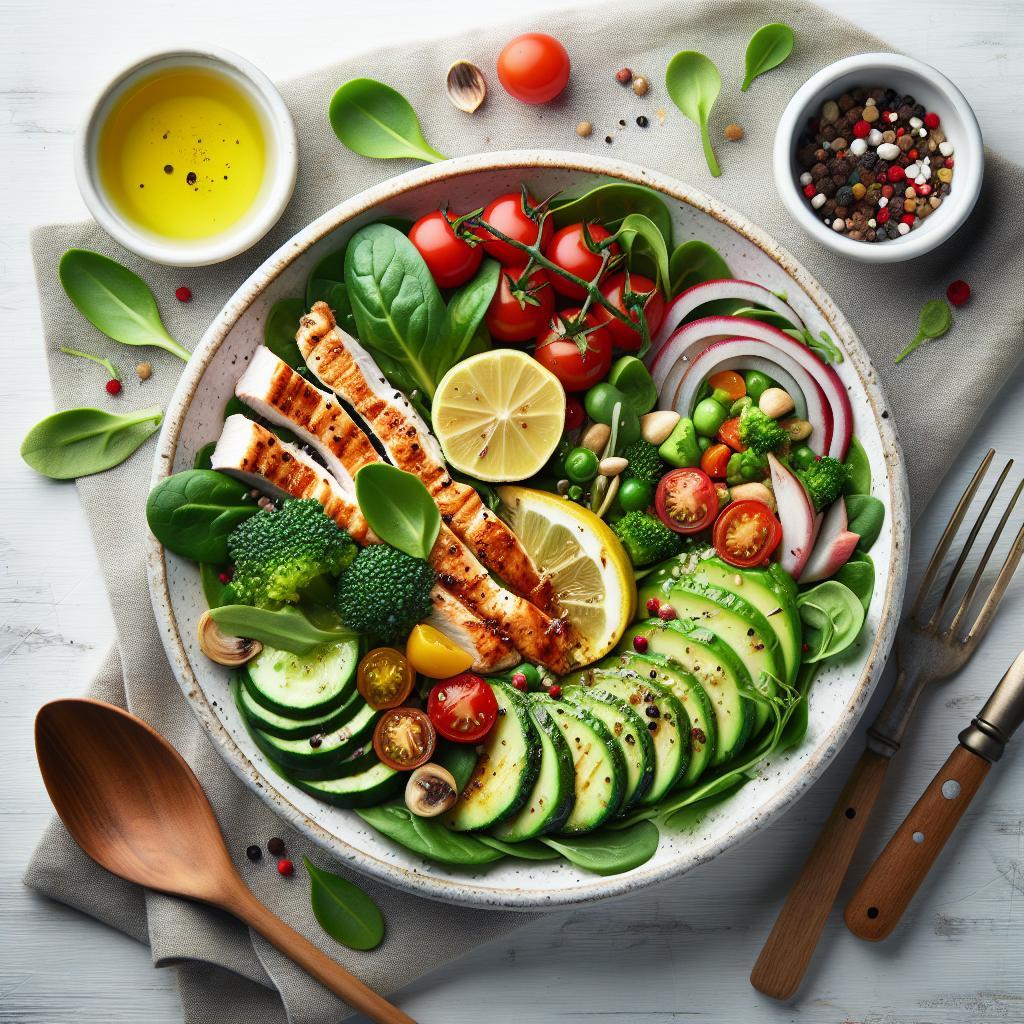

In a world increasingly defined by the urgent need for sustainability, the way we shop and eat emerges as a powerful force for change. Welcome to the age of smart shopping-a climate-friendly diet guide designed not just to nourish your body, but to protect the planet. This isn’t about strict restrictions or flavorless meals; it’s about making informed choices that ripple outward, reducing carbon footprints one thoughtful bite at a time. From seasonal produce to plant-based proteins, this guide illuminates how every grocery list can become a blueprint for a healthier, greener future. Get ready to transform your shopping habits into a delicious act of environmental stewardship.
Embracing Plant-Based Ingredients for a Greener Plate
Smart Shopping: A Climate-Friendly Diet Guide for Change starts with simple, powerful choices in your kitchen-embracing plant-based ingredients to lighten your environmental footprint. By consciously selecting seasonal, local, and plant-focused foods, you not only nourish your body but also honor the planet. This approach transforms everyday meals into acts of sustainability, offering vibrant flavors and nourishing textures born from the earth.
Prep and Cook Time
- Prep Time: 20 minutes
- Cook Time: 30 minutes
Yield
Serves 4 generously
Difficulty Level
Easy to Medium – perfect for home cooks eager to make a positive impact through food.
Ingredients
- 1 cup quinoa, rinsed thoroughly
- 2 cups vegetable broth (preferably homemade or low sodium)
- 1 medium butternut squash, peeled and diced into ½-inch cubes
- 1 small red onion, thinly sliced
- 2 cups kale, stems removed and roughly chopped
- 1 cup cherry tomatoes, halved
- 3 tablespoons olive oil
- Juice of 1 lemon
- 2 cloves garlic, minced
- 1 teaspoon smoked paprika
- Salt and freshly ground black pepper, to taste
- ¼ cup toasted pumpkin seeds (pepitas), for garnish
- Fresh parsley, chopped, for garnish
Instructions
- Preheat your oven to 400°F (200°C). Toss the diced butternut squash and sliced red onion with 2 tablespoons of olive oil, smoked paprika, salt, and pepper. Spread evenly on a baking sheet. Roast for 25 minutes, stirring halfway through, until the squash is tender and caramelized around the edges.
- While the vegetables roast, prepare the quinoa: Combine quinoa and vegetable broth in a medium saucepan. Bring to a boil, then reduce to a simmer, cover, and cook for about 15 minutes or until the liquid is absorbed and quinoa is fluffy.
- In a skillet, heat the remaining tablespoon of olive oil over medium heat. Sauté the minced garlic for 1 minute until fragrant, then add the chopped kale. Cook for 3-5 minutes, stirring often, until wilted but still vibrant green.
- Mix the cooked quinoa, roasted squash and onions, sautéed kale, and halved cherry tomatoes in a large bowl. Squeeze fresh lemon juice over the mixture and adjust seasoning with salt and pepper.
- Garnish with toasted pumpkin seeds and fresh parsley before serving to add delightful crunch and color.
Chef’s Notes
- Variations: Swap butternut squash for sweet potato or carrots depending on the season; kale can be replaced with spinach or Swiss chard.
- Make-Ahead: Roast vegetables and cook quinoa a day ahead. Store separately to maintain freshness and mix just before serving.
- Boost Protein: Add cooked chickpeas or lentils for a heartier meal without sacrificing eco-conscious principles.
- Troubleshooting: Rinse quinoa well to avoid bitterness. For extra flavor, toast quinoa in the skillet for 2 minutes before boiling.
Serving Suggestions
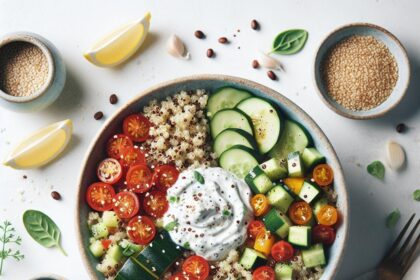
This colorful quinoa bowl shines as a vibrant main dish or hearty side. Serve with a drizzle of tahini dressing or a dollop of creamy avocado for richness. Pair it with crusty whole-grain bread or a light cucumber salad to complete your climate-conscious meal. Garnishing with fresh herbs enhances both the flavor and visual appeal, making each bite as delightful as it is sustainable.
| Nutrient | Per Serving |
|---|---|
| Calories | 350 kcal |
| Protein | 9 g |
| Carbohydrates | 55 g |
| Fat | 8 g |
Explore more seasonal plant-based recipes to continue your journey toward smart shopping and a climate-friendly diet.
For scientific insights on plant-based diets and the environment, visit United Nations Climate Change.

Q&A
Q&A: Smart Shopping – A Climate-Friendly Diet Guide for Change
Q1: What does “Smart Shopping” mean in the context of a climate-friendly diet?
A: Smart Shopping means making intentional food choices that not only nourish your body but also reduce your carbon footprint. It’s about selecting ingredients and products that support sustainability-think seasonal, local, and plant-based options-so your grocery cart becomes a vehicle for positive environmental impact.
Q2: Why should I consider a climate-friendly diet?
A: Food production is a major contributor to greenhouse gas emissions, deforestation, and water use. By shifting towards a diet that prioritizes low-impact foods, you help slow climate change, protect ecosystems, and promote animal welfare, all while enjoying fresh, delicious meals.
Q3: What are some easy swaps that make shopping smarter for the planet?
A: Start small: replace beef with beans or lentils in your favorite recipes, choose loose fruits and vegetables over packaged ones, opt for sustainably sourced seafood, and buy in bulk to reduce waste. Even picking seasonal produce can make a big environmental difference!
Q4: How can I identify climate-friendly products in the store?
A: Look for certifications like organic, fair trade, or Rainforest Alliance, which often signal sustainable farming practices. Use apps that track the carbon footprint of foods, pay attention to labels indicating local or regenerative agriculture, and shop at farmers markets when possible.
Q5: Is eating a climate-friendly diet more expensive?
A: Not necessarily! While some specialty items might cost more, focusing on whole foods like grains, beans, and seasonal veggies can be budget-friendly. Planning meals, reducing food waste, and cooking from scratch also help stretch your dollars sustainably.
Q6: Can smart shopping contribute to broader environmental change?
A: Absolutely. Each climate-conscious purchase sends a message to producers and retailers that sustainability matters. This demand can shift the market toward more eco-friendly farming, packaging, and distribution, driving systemic change beyond your kitchen.
Q7: How can I inspire others to join the climate-friendly shopping movement?
A: Share your journey and delicious recipes, take friends or family grocery shopping with you, and support community initiatives like food co-ops or local farms. Collective action amplifies impact, making smart shopping a powerful tool for climate advocacy.
Q8: What’s a good first step to start smart shopping for a climate-friendly diet?
A: Begin by choosing one meal per week to make plant-based or climate-conscious. Explore a new recipe that highlights seasonal veggies or swaps out high-impact meats. Gradually, these small changes add up into a lifestyle that benefits both you and the planet.
Key Takeaways
As we navigate the aisles of our daily choices, embracing a climate-friendly diet becomes more than a trend-it cultivates a deeper connection to the planet we call home. Smart shopping isn’t just about filling our carts; it’s about fueling a movement that harmonizes nourishment with sustainability. By making mindful decisions-choosing seasonal produce, reducing waste, and supporting ethical sources-we empower ourselves to be agents of change, one meal at a time. In this journey toward a greener plate, every bite is an opportunity to protect our future, proving that delicious food and environmental responsibility can thrive hand in hand. So next time you shop, remember: your choices are the seeds of a healthier planet, planted one smart decision at a time.