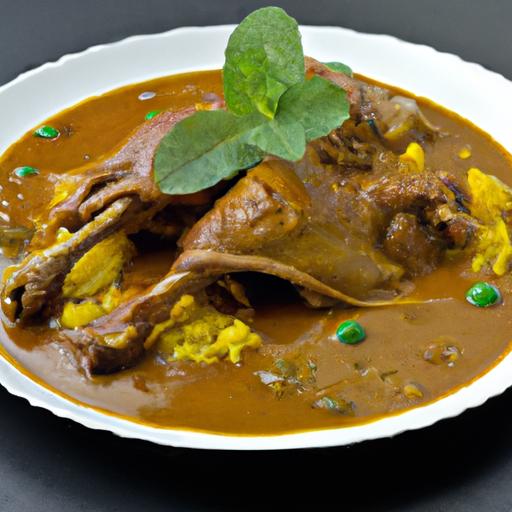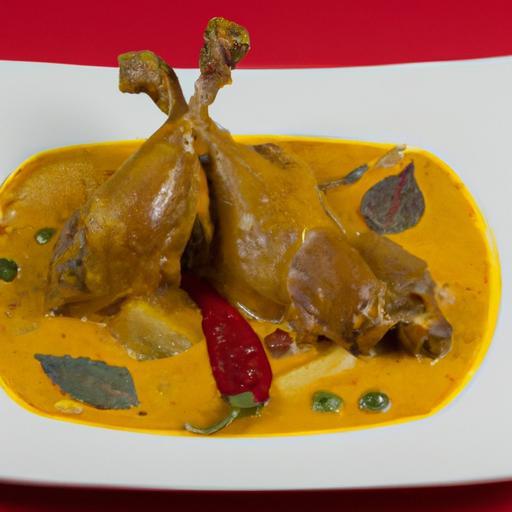

In the vibrant tapestry of global cuisine, few dishes dare to embrace the whole animal with as much reverence and creativity as nose-to-tail cooking. Among these culinary adventures, nose-to-tail pigeon curry stands out as a bold testament to tradition, flavor, and resourcefulness. This dish, steeped in heritage and brimming with robust spices, transforms every part of the humble pigeon into an exquisite symphony of taste and texture. Join us as we explore the rich history and intricate techniques behind this distinctive curry, where nothing goes to waste and every bite tells a story of timeless culinary artistry.
Exploring the Rich Heritage Behind Nose-to-Tail Pigeon Curry
Nose-to-tail pigeon curry invites you on a profound culinary journey by honoring every part of the bird, unlocking a tapestry of flavors that resonate with age-old traditions. This approach to cooking doesn’t just emphasize sustainability and respect for the animal-it beckons the palate to enjoy textures and nuances rarely discovered in conventional recipes. Originating from regions where pigeon has long been a cherished delicacy, this dish exemplifies resourcefulness and reverence, transforming humble cuts into a symphony of rich, bold tastes that evoke warmth and connection.
Prep and Cook Time
- Preparation: 30 minutes
- Cooking: 1 hour 15 minutes
Yield
Serves 4 hearty portions
Difficulty Level
Medium – ideal for adventurous cooks ready to deepen their comfort with game birds and complex spices.
Ingredients
- 1 whole pigeon, cleaned and broken down into parts (breast, legs, heart, gizzard)
- 3 tablespoons mustard oil (or vegetable oil)
- 2 large onions, finely sliced
- 4 garlic cloves, minced
- 2-inch piece fresh ginger, grated
- 3 fresh green chilies, slit
- 2 large tomatoes, pureed
- 1 teaspoon turmeric powder
- 2 teaspoons coriander powder
- 1 teaspoon cumin seeds
- 1 teaspoon garam masala
- 1/2 teaspoon red chili powder (adjust to taste)
- Salt to taste
- Fresh cilantro leaves, chopped (for garnish)
- 1 cup water or homemade chicken broth
- Juice of half a lemon
Instructions
- Prepare the pigeon: Break down the pigeon into manageable pieces. Rinse under cold water and pat dry. Reserving the heart and gizzard separately injects an adventurous depth into the curry.
- Heat the mustard oil: In a heavy-bottomed pot, bring the oil to smoking-hot. This step is crucial to mellow the oil’s pungency and infuse the curry’s base with richness.
- Sauté whole cumin seeds: Add cumin seeds and allow them to crackle for about 15 seconds, letting their nutty aroma fill the kitchen.
- Add onions, garlic, and ginger: Fry the sliced onions, stirring often, until golden brown – about 10 minutes. Then incorporate garlic, ginger, and green chilies, cooking for another 2 minutes until fragrant.
- Spice it up: Mix in turmeric, coriander, red chili powder, and salt. Stir well and cook for a minute to toast the spices, enhancing their warm flavors.
- Add the pigeon pieces: Add the pigeon parts including heart and gizzard. Sear until each piece is evenly browned, about 8 minutes, turning occasionally to build a rich crust for flavor.
- Incorporate tomato puree: Pour in the pureed tomatoes and allow the mixture to simmer gently until thickened, about 7-10 minutes. This slow simmer develops the curry’s signature deep umami.
- Add water or broth: Pour 1 cup water or chicken broth and bring to a low boil. Cover and let the curry simmer on low heat for 40-45 minutes until the pigeon is tender and the flavors harmoniously meld.
- Finish with garam masala and lemon: Stir in garam masala and fresh lemon juice just before removing from heat. This final touch brightens the dish, balancing richness with a subtle acidity.
- Garnish and serve: Sprinkle chopped cilantro generously before plating for freshness and inviting visual contrast.
Tips for Success
- Choosing your pigeon: Opt for younger birds if available for tender meat and subtle flavor.
- Oil alternatives: Mustard oil offers authenticity and a pungent kick, but vegetable or peanut oil are fine substitutes if preferred.
- Make ahead: This curry develops even richer flavors if made a day in advance and reheated gently.
- Balancing spice: Adjust green chilies and red chili powder to suit your heat preference, especially when serving to varied palates.
- Texture play: Including the heart and gizzard introduces a delightful chewiness, enhancing the “nose-to-tail” experience.
Serving Suggestions to Elevate Your Pigeon Curry Experience
Serve this luxurious curry over a bed of warm, fluffy steamed basmati rice or fragrant jeera (cumin) rice to soak in every drop of the luscious sauce. Pair with buttery garlic naan or crisp roti to scoop and savor the rich curry layers. For a refreshing contrast, accompany with a cooling cucumber raita or a tangy mango chutney.
For an elegant touch, garnish each serving with a wedge of lemon and a handful of freshly chopped cilantro, which visually enhances the curry’s rustic hues and brightens the palate.
| Nutrient | Per Serving |
|---|---|
| Calories | 320 kcal |
| Protein | 38 g |
| Carbohydrates | 8 g |
| Fat | 14 g |

Explore more traditional curry recipes in our Heritage Curries Collection and dive deeper into flavor with expertly selected spices from Spice Junction for authentic, high-quality ingredients.
Q&A
Q&A: Nose-to-Tail Pigeon Curry – A Bold Taste of Culinary Tradition
Q1: What exactly is Nose-to-Tail Pigeon Curry?
A1: Nose-to-Tail Pigeon Curry is a daring and deeply traditional dish that embraces the philosophy of using every part of the pigeon, from the tender breast to the rich organs. This culinary approach honors the entire bird, minimizing waste while delivering a symphony of bold flavors layered through slow cooking and aromatic spices.
Q2: Why is the nose-to-tail concept important in this dish?
A2: The nose-to-tail concept celebrates sustainability and respect for the animal by making full use of the pigeon. Instead of discarding parts considered less desirable in modern cooking, this method brings out unique textures and tastes-like the creaminess of the liver or the earthiness of the heart-that contribute to a complex, unforgettable curry.
Q3: How does using the whole pigeon affect the flavor profile?
A3: Utilizing the entire pigeon infuses the curry with a deep, rich character. Organs add an intense savoriness and silky texture, while bones and skin release gelatin and fat, creating a luscious, unctuous sauce. It’s a multifaceted taste experience, balancing gamey undertones with spices, herbs, and a subtle hint of smokiness.
Q4: Is Nose-to-Tail Pigeon Curry a traditional dish, or a modern invention?
A4: While pigeon curry itself is a centuries-old recipe in many cultures, the nose-to-tail approach has seen a resurgence as chefs and home cooks alike reexamine lost or overlooked culinary traditions. It blends age-old practices with today’s ethos of sustainability, making it both a nostalgic homage and a modern statement.
Q5: What spices and ingredients are commonly used in this curry?
A5: Typical spices include earthy cumin, warm coriander, fiery chili, fragrant cinnamon, and star anise. Aromatics like garlic, ginger, and onions are sautéed to build a flavor foundation, while tamarind or tomatoes add tang and balance. Coconut milk or yogurt may be incorporated for creaminess and to temper the spice heat.
Q6: Who might enjoy trying this dish?
A6: Nose-to-Tail Pigeon Curry appeals to adventurous food lovers, traditionalists eager to reconnect with authentic recipes, and sustainability-minded eaters who prize nose-to-tail cooking. It’s perfect for anyone seeking to explore robust flavors and honor culinary heritage in a bold, satisfying way.
Q7: How can home cooks prepare this dish successfully?
A7: Patience is key. Home cooks should source fresh pigeon, clean and portion it meticulously, and prepare the spices with care. Slow simmering is essential to tenderize the meat and infuse the sauce. Approaching the dish with respect and curiosity ensures a rewarding and delicious result.
Q8: Are there any cultural stories or significance behind pigeon curry?
A8: Pigeon curry often carries rich cultural significance in communities where pigeons were historically prized both as game and sacred animals. The dish can symbolize resourcefulness, celebration, and a connection to the land-making each bite a tasty portal to heritage and tradition.
Embracing the whole pigeon in curry isn’t just cooking-it’s a bold culinary adventure steeped in history, flavor, and respect for both ingredients and culture. For those ready to savor something truly distinctive, Nose-to-Tail Pigeon Curry offers a feast for the senses and the soul.
Wrapping Up
Embracing the nose-to-tail philosophy through pigeon curry not only honors a time-honored culinary tradition but also invites adventurous food lovers to experience a bold symphony of flavors rarely explored. This dish, steeped in history and rich with resourceful creativity, reminds us that every part of the bird has a story to tell-and a taste to savor. As you venture beyond familiar fare and dive into this unique feast, you celebrate the art of mindful cooking, honoring both nature and heritage in each flavorful bite. Nose-to-tail pigeon curry is more than a meal; it’s a vibrant journey into the heart of culinary tradition.