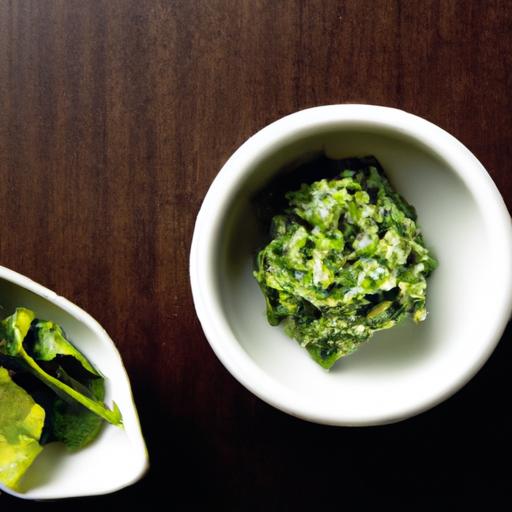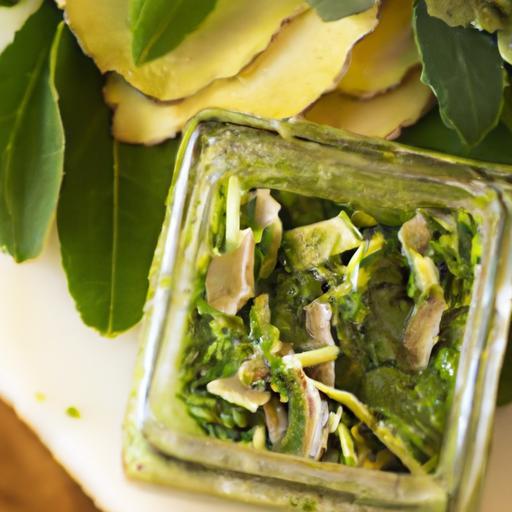

In the quest for sustainable cooking, every ingredient has a story-and every part deserves a starring role. Enter root-to-stem parsnip leaf pesto: an inventive, vibrant twist that transforms overlooked greens into a luscious, flavor-packed sauce. This delightful recipe not only elevates your culinary creations but also champions a zero-waste mindset, turning what many discard into a deliciously green treasure. Join us as we explore the art of savoring the whole parsnip, unlocking layers of fresh, earthy flavor while honoring the planet’s bounty.
Root-to-Stem Parsnip Leaf Pesto: Flavor Without Waste
Root-to-stem parsnip leaf pesto is a vibrant celebration of sustainability and bold flavors, turning often-overlooked parsnip greens into an herbaceous powerhouse. This recipe invites you to unlock the untapped potential of these fresh leaves, crafting a pesto that sings with notes of earthiness, brightness, and a gentle peppery bite. Inspired by the ethos of zero waste cooking, this pesto is both an homage to rustic heirloom roots and a modern nod to resourceful gourmet kitchens.
Prep and Cook Time
Preparation: 10 minutes | Cooking (toasting nuts): 5 minutes | Total Time: 15 minutes
Yield
Approximately 1 cup, enough to serve 4 as a sauce or condiment
Difficulty Level
Easy – Perfect for beginner cooks and seasoned cooks wanting a quick, healthy twist
Ingredients
- 2 cups fresh parsnip leaves, washed and roughly chopped
- 1/3 cup toasted walnuts or pine nuts
- 1/2 cup freshly grated Pecorino Romano or Parmesan cheese
- 2 cloves garlic, peeled and crushed
- 1/2 cup extra virgin olive oil
- 1 tablespoon lemon juice, freshly squeezed
- Salt and freshly ground black pepper, to taste
Instructions
- Toast the nuts: In a dry skillet over medium heat, toast the walnuts or pine nuts until fragrant and golden, about 3-5 minutes. Stir frequently to avoid burning. Remove from heat and cool.
- Blanch the parsnip leaves: Bring a pot of salted water to boil. Submerge the parsnip leaves for 30 seconds to soften their texture and mellow any bitterness. Immediately drain and plunge into ice water to preserve vibrant color. Pat dry thoroughly.
- Add base ingredients: In a food processor, combine the blanched parsnip leaves, toasted nuts, garlic, and cheese. Pulse until coarsely blended.
- Incorporate olive oil: With the processor running, gradually drizzle in the olive oil until the pesto reaches a smooth but still textured consistency.
- Season and finish: Stir in freshly squeezed lemon juice, then season with salt and freshly ground black pepper to taste. Give the pesto one last pulse to mix.
- Store or serve: Spoon into a jar, drizzle a thin layer of olive oil on top to prevent discoloration, and refrigerate if not using immediately. Allow to come to room temperature before serving for maximum flavor.
Chef’s Notes: Tips for Success
- For a vegan pesto, substitute the cheese with 1/4 cup nutritional yeast to retain savory depth.
- Adjust garlic quantity depending on your preference; start with one clove to avoid overpowering the delicate leaves.
- Use freshly squeezed lemon juice to brighten flavors and balance the earthiness of the leaves and nuts.
- If you prefer a chunkier pesto, pulse fewer times and avoid over-processing.
- This pesto freezes well – store in ice cube trays for convenient single portions.
Flavor Profiles and Pairings for Parsnip Leaf Pesto
Parsnip leaf pesto carries a unique flavor palette that is mildly bitter, slightly nutty, and herbaceous with a citrusy hint. This pesto pairs exquisitely with creamy cheeses like burrata or dolloped atop fresh ricotta. Toss with pasta or use as a vibrant spread on toasted sourdough bread. For an elegant finish, drizzle a bit over roasted root vegetables or grilled seafood. The robust yet fresh nature of this pesto also complements earthy dishes featuring mushrooms and legumes, enhancing their natural flavors without overshadowing them.
Sustainable Kitchen Practices with Root-to-Stem Cooking
Embracing root-to-stem parsnip leaf pesto is a prime example of sustainable kitchen practices, making use of the entire plant and minimizing food waste. Parsnip leaves, often discarded, are rich in nutrients and embody the true essence of zero waste cooking. By incorporating these greens into your culinary repertoire, you reduce waste, increase variety in your meals, and extend your use of seasonal produce. This approach honors the environment and enriches your cooking by encouraging creativity and respect for every part of the harvest.
Serving Suggestions
- Serve tossed with freshly cooked linguine and a sprinkle of extra cheese for a quick dinner.
- Spread on toasted baguette rounds and top with cherry tomatoes and microgreens for elegant appetizers.
- Use as a sauce drizzle over grilled chicken or roasted vegetables to add depth and freshness.
- Swirl into soups or stews for a pop of green and a layer of complexity.
| Nutrient | Per 2 Tbsp Serving |
|---|---|
| Calories | 90 |
| Protein | 3g |
| Carbs | 2g |
| Fat | 8g (primarily from healthy olive oil and nuts) |
Explore more pesto variations to expand your root-to-stem repertoire
For in-depth nutritional benefits of parsnip leaves, visit Healthline’s Parsnip Nutrition Guide.

Q&A
Q&A: Root-to-Stem Parsnip Leaf Pesto – Flavor Without Waste
Q: What is root-to-stem cooking, and how does it relate to parsnip leaf pesto?
A: Root-to-stem cooking is a culinary philosophy that encourages using every part of a vegetable – from the root through the stem and leaves – to minimize food waste and maximize flavor. Parsnip leaf pesto embodies this concept by transforming the often-discarded green tops of parsnips into a vibrant, herbaceous sauce, turning what’s usually thrown away into a delicious kitchen treasure.
Q: Why use parsnip leaves for pesto instead of more traditional greens like basil or spinach?
A: Parsnip leaves bring an unexpectedly fresh, slightly earthy flavor that’s less sweet and more nuanced than basil or spinach. Their unique taste adds complexity to pesto, offering a bright, slightly peppery kick that pairs beautifully with nuts, garlic, and cheese. Plus, using these greens helps reduce waste, making your cooking more sustainable.
Q: Are parsnip leaves safe to eat?
A: Yes! Parsnip leaves are edible and nutritious, packed with vitamins and antioxidants. However, it’s important to harvest them from un-treated, organic parsnips to avoid pesticide residues, and to use only the tender, smaller leaves as mature leaves can be tough or bitter.
Q: How do you prepare parsnip leaves for pesto?
A: First, wash the leaves thoroughly to remove any dirt or grit. Remove any thick stems – the tender stems are usually fine. Blanching them briefly in boiling water can soften their fibrous texture and mellow bitterness, but you can also use them raw for a more pungent flavor. Then, blend with garlic, nuts (like walnuts or pine nuts), parmesan, olive oil, lemon juice, salt, and pepper to create your pesto.
Q: Can root-to-stem parsnip leaf pesto be stored? If so, how long does it keep?
A: Absolutely! Stored in an airtight container in the fridge, your parsnip leaf pesto should stay fresh for up to a week. To maintain its vibrant green color, drizzle a thin layer of olive oil on top before sealing. You can also freeze pesto in ice cube trays, then transfer the cubes to freezer bags for convenient, long-term storage.
Q: What dishes pair well with parsnip leaf pesto?
A: The possibilities are endless! Toss it with pasta for a quick dinner, dollop it on roasted veggies, spread it on sandwiches, or use it as a marinade for grilled meats and fish. Parsnip leaf pesto shines as a zesty finish that elevates simple dishes with minimal effort.
Q: How does making pesto from parsnip leaves contribute to sustainability?
A: Using parsnip leaves means nothing gets tossed – this reduces kitchen waste and maximizes your food’s potential. Root-to-stem cooking also encourages mindful shopping and cooking habits, lessening environmental impact by fully utilizing the produce you buy. It’s a small step with a big impact toward greener eating.
Q: Can other root vegetable greens be used similarly to parsnip leaves?
A: Definitely! Greens from carrots, beets, turnips, and radishes can all be creatively repurposed into pestos or chimichurri, each bringing their own distinct flavor. Experimenting with these can open up a world of zero-waste culinary adventure!
Root-to-stem parsnip leaf pesto is more than just a recipe – it’s a flavorful celebration of sustainability, turning kitchen scraps into something spectacular and inspiring you to rethink how you use every inch of your veggies. Ready to blend, taste, and waste less? Your pesto adventure awaits!
In Summary
Embracing the root-to-stem philosophy with parsnip leaf pesto not only opens a new world of vibrant, unexpected flavors but also champions a more sustainable kitchen practice. By transforming what is often discarded into a fragrant, nutrient-packed condiment, we honor the full life of the vegetable and reduce unnecessary waste. So next time you pick up a bunch of parsnips, remember: the leaves are just as worthy of your palate as the roots. In a world hungry for both taste and mindful choices, root-to-stem cooking is a delicious step forward-one spoonful of pesto at a time.