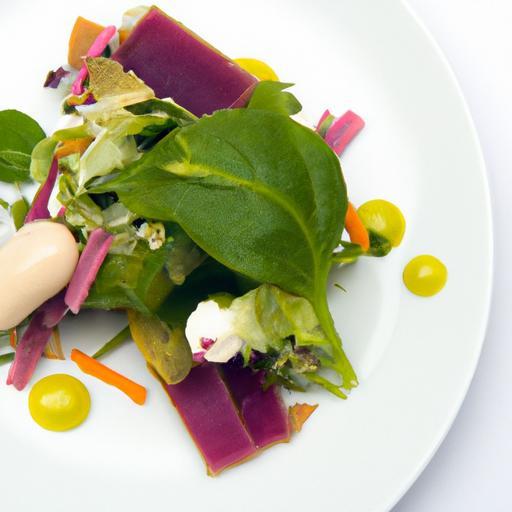

As the sun rises on a new era of agriculture and culinary curiosity, the age-old rhythm of seasonal eating is undergoing a bold reinvention. “Harvesting Tomorrow: The Future of Seasonal Eating Unveiled” invites you on a journey beyond the traditional calendar-where technology, sustainability, and innovation converge to redefine how we connect with our food. From climate-smart farming techniques to cutting-edge preservation methods, this exploration reveals how tomorrow’s tables will honor nature’s patterns while embracing the possibilities of progress. Join us as we uncover a future where the bounty of the seasons is not only preserved but amplified, promising fresher flavors, healthier communities, and a planet nourished for generations to come.
Harvesting Tomorrow: The Future of Seasonal Eating Unveiled
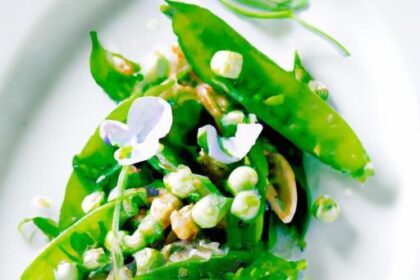
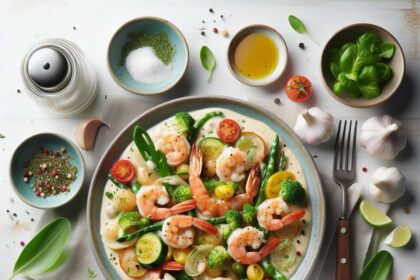
Harvesting Tomorrow: The Future of Seasonal Eating Unveiled invites you to savor the bounty of each season with a dish that celebrates nature’s rhythm and innovative farming. Inspired by traditional farm-to-table customs yet revitalized with modern awareness, this vibrant Spring Vegetable Medley Risotto flows with fresh asparagus, tender peas, and fragrant herbs harvested at their peak. It’s a celebration of freshness and sustainability, designed to embrace nature’s calendar while nurturing health and taste buds alike.
Prep and Cook Time
Preparation: 15 minutes | Cooking: 35 minutes | Total Time: 50 minutes
Yield
Serves 4 generous portions
Difficulty Level
Medium – Perfect for cooks who want to impress with seasonal flair and creamy perfection
Ingredients
- 1 ½ cups Arborio rice
- 4 cups vegetable broth, kept warm
- 1 cup fresh asparagus tips, trimmed and cut into 1-inch pieces
- 1 cup fresh peas, shelled
- 1 small shallot, finely chopped
- 2 cloves garlic, minced
- 3 tbsp extra virgin olive oil
- ½ cup dry white wine
- ½ cup grated Parmesan cheese, plus extra for garnish
- 2 tbsp unsalted butter
- 1 tbsp fresh lemon juice
- 2 tbsp chopped fresh parsley
- Salt and freshly ground black pepper to taste
Instructions
- Prepare the broth: Keep your vegetable broth warm in a saucepan over low heat-it’s essential for the risotto’s creamy texture.
- Sauté aromatics: In a wide pan, heat the olive oil over medium heat. Add the chopped shallot and garlic, sautéing until translucent and fragrant, about 3 minutes.
- Toast the rice: Add the Arborio rice to the pan, stirring constantly for 2-3 minutes until each grain is lightly toasted and coated in oil.
- Deglaze with wine: Pour in the white wine, stirring until the liquid is almost fully absorbed, about 2 minutes.
- Begin adding broth: Add a ladle of warm broth to the rice, stirring gently. Continue adding broth one ladle at a time, allowing full absorption before the next addition. This gradual process should take about 25 minutes.
- Add vegetables: When the rice is halfway cooked, stir in the asparagus tips and fresh peas. Continue stirring and adding broth as needed.
- Finish risotto: Once the rice is tender yet firm to the bite, turn off the heat. Stir in the butter, Parmesan cheese, and lemon juice until the risotto is velvety and rich.
- Season to taste: Add salt and freshly ground black pepper, adjusting flavors carefully to balance freshness and creaminess.
- Garnish and serve: Spoon risotto into warm bowls. Sprinkle with chopped parsley and a little more Parmesan cheese for a bright, aromatic finish.
Chef’s Notes
- For a vegan version, substitute Parmesan with nutritional yeast and use a plant-based butter alternative.
- Fresh peas can be replaced with frozen if out of season, but the flavor shines brightest with fresh spring produce.
- Use a wide, heavy-bottomed pan to ensure even heat distribution and the perfect creamy texture.
- Make-ahead tip: Prepare risotto up to step 6, then cool quickly and refrigerate. Reheat gently with a splash of broth before serving.
Serving Suggestions
This risotto pairs beautifully with a crisp white wine like Sauvignon Blanc. Serve alongside a mixed green salad with a light lemon vinaigrette to maintain the fresh, seasonal theme. Garnish each plate with a twist of lemon zest for an invigorating aromatic boost.
| Nutritional Info (per serving) | Calories | Protein (g) | Carbs (g) | Fat (g) |
|---|---|---|---|---|
| Spring Vegetable Medley Risotto | 420 | 12 | 65 | 11 |

By aligning your diet with the rhythms of the earth’s seasons and embracing the lessons from innovative farming techniques, you contribute to a sustainable food future. For further inspiration on seasonal eating, check out our Seasonal Eating Guide. Learn how practices like regenerative agriculture support this vision at FAO.
Q&A
Q&A: Harvesting Tomorrow: The Future of Seasonal Eating Unveiled
Q1: What does “seasonal eating” mean in the context of the future?
A1: Seasonal eating traditionally means consuming fruits and vegetables at the time they naturally ripen in your region. Looking forward, it evolves into a harmonious blend of respecting nature’s cycles while integrating advanced agricultural techniques-like vertical farming and AI forecasting-to maximize freshness, reduce waste, and amplify nutrient value year-round.
Q2: How will technology shape the future of seasonal eating?
A2: Technology will act as a modern-day farmer’s secret weapon. Imagine AI predicting perfect harvest times with pinpoint accuracy, drones monitoring crop health, and smart greenhouses simulating ideal climates for out-of-season produce. This fusion ensures that seasonal flavors are no longer limited by geography or weather whims but are sustainably available on demand.
Q3: Will the future of seasonal eating impact food sustainability?
A3: Absolutely. By reducing reliance on long-haul imports and minimizing food waste through precision farming, seasonal eating will become a cornerstone of sustainable diets. Connecting consumers directly with local producers via digital platforms will further strengthen this eco-friendly loop, supporting community economies and shrinking carbon footprints.
Q4: How might our taste buds benefit from this future approach?
A4: Our palettes are in for a treat! Eating seasonally means savoring ingredients at their peak flavor and nutritional profile. Advances in crop science will enhance natural taste compounds, making seasonal produce even more vibrant and exciting, rekindling our innate connection to the earth’s rhythms with every bite.
Q5: What role will consumers play in “Harvesting Tomorrow”?
A5: Consumers become conscious curators of their plates-embracing seasonality not just as a choice, but a lifestyle. With greater access to information and direct channels to farmers, people will empower themselves to make informed, eco-savvy food decisions that honor the planet and their health alike.
Q6: Can urban living adapt to this seasonal eating revolution?
A6: Definitely. Cities will transform rooftops, balconies, and community spaces into lush gardens utilizing vertical and hydroponic farming methods. Urban dwellers will participate actively in growing or sourcing seasonal foods, making fresh, local produce an integral part of metropolitan lifestyles and turning concrete jungles into green havens.
In embracing “Harvesting Tomorrow,” we unlock a future where eating in tune with nature is not a limitation, but a delightful, sustainable celebration-one season at a time.
Key Takeaways
As the seasons continue their timeless dance, the future of seasonal eating promises a vibrant harmony between nature’s rhythms and human innovation. From advanced agricultural technologies to renewed community practices, harvesting tomorrow means more than just gathering crops-it’s about cultivating a deeper connection to our environment and nurturing a sustainable food system that honors both earth and palate. By embracing this evolution, we not only preserve the flavors and traditions of the past but also sow the seeds for a healthier, more resilient future. In the end, seasonal eating isn’t just about the food on our plates-it’s a celebration of life’s cycles, inviting us all to taste the promise of tomorrow.