
In a world where every bite we take shapes the planet’s future, the dinner plate has become a frontier for environmental innovation. Enter the era of greener plates-where juicy plant-based burgers and savory meat alternatives are not just culinary curiosities but powerful allies in the battle against climate change. These sustainable substitutes hold the promise of reducing greenhouse gas emissions, conserving precious water, and preserving ecosystems, all while satisfying our cravings for flavor and texture. As we explore how meat alternatives are reshaping what’s on our plates, we uncover a delicious recipe for a cooler, more resilient planet.
Greener Plates: How Meat Alternatives Fight Climate Change
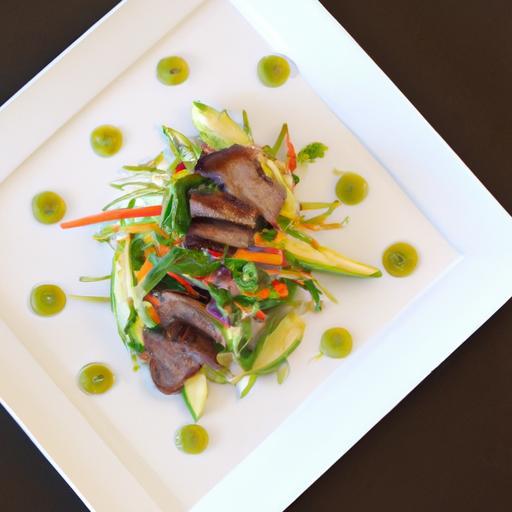
Greener Plates: How Meat Alternatives Fight Climate Change is not just a mantra for mindful eating but a delicious reality on your table. This vibrant, plant-based stir-fry is inspired by the colorful bounty of seasonal vegetables and the rich, umami flavors of modern meat substitutes. It is crafted to awaken your palate while taking a gentle step toward reducing carbon emissions with every bite.
Prep and Cook Time
Prep: 15 minutes | Cook: 20 minutes | Total: 35 minutes
Yield
Serves 4 generous portions
Difficulty Level
Easy
Ingredients
- 200g plant-based ground “meat” (soy or pea protein)
- 1 tbsp olive oil
- 1 medium red bell pepper, sliced thin
- 1 cup broccoli florets
- 1 medium carrot, julienned
- 3 cloves garlic, minced
- 1-inch piece fresh ginger, grated
- 3 tbsp low-sodium soy sauce
- 1 tbsp maple syrup
- 1 tsp toasted sesame oil
- 2 green onions, sliced diagonally
- 1 tsp chili flakes (optional)
- Cooked jasmine or brown rice for serving
Instructions
- Heat olive oil in a large skillet or wok over medium-high heat. Add the plant-based ground “meat” and sauté until it begins to brown, about 5 minutes. Stir occasionally to break up clumps evenly.
- Add minced garlic and grated ginger, cooking for 1 minute until fragrant but not burnt.
- Introduce the sliced red bell pepper, broccoli florets, and julienned carrot. Stir-fry for 5-7 minutes, allowing vegetables to retain their vibrant color and slight crunch.
- Mix soy sauce, maple syrup, and toasted sesame oil in a small bowl. Pour over the stir-fry and toss well to coat every morsel with the rich glaze.
- Cook an additional 2 minutes, so the sauce thickens slightly and the flavors meld beautifully.
- Sprinkle green onions and optional chili flakes on top before serving hot alongside steamed jasmine or nutrient-packed brown rice.
Chef’s Notes: Tips for Success
- Use fresh, seasonal vegetables for the best flavor and sustainability impact.
- Substitute the plant-based ground “meat” with crumbled tofu or tempeh for a different protein profile.
- Allow the stir-fry to rest for 5 minutes off the heat; it intensifies the umami taste.
- This dish meal-preps beautifully and can be refrigerated for up to 3 days.
- Add toasted sesame seeds or crushed peanuts for extra texture and visual appeal.
Serving Suggestions
Serve this colorful stir-fry in deep bowls garnished with a sprinkle of fresh cilantro and a wedge of lime for a zesty finish. Pair with a chilled cucumber salad or steamed greens to elevate the meal into a wholesome celebration of plant-forward eating and a nod toward a lighter environmental footprint.
| Nutrient | Per Serving |
|---|---|
| Calories | 320 kcal |
| Protein | 22 g |
| Carbohydrates | 28 g |
| Fat | 9 g |

Discover more about sustainable eating and vibrant plant-based recipes in our Complete Plant-Based Recipes Guide to enhance your greener plate journey.
For detailed insights on environmental science behind meat alternatives, explore the IPCC Special Report on Climate Change and Land.
Q&A
Q&A: Greener Plates – How Meat Alternatives Fight Climate Change
Q1: What exactly are meat alternatives?
A1: Meat alternatives are ingenious plant-based or lab-grown products designed to mimic the taste, texture, and nutritional value of traditional meat. They range from tofu and tempeh to cutting-edge cultured meats and protein-packed blends. Think of them as culinary chameleons helping us rethink our plates.
Q2: How do meat alternatives impact the environment compared to conventional meat?
A2: The environmental footprint of meat alternatives is significantly lighter. Traditional livestock farming is a major source of greenhouse gases, deforestation, and water usage. In contrast, plant-based proteins generally require less land, emit fewer carbon emissions, and sip water more sparingly – offering a greener passport to your dinner table.
Q3: Can switching to meat alternatives really help fight climate change?
A3: Absolutely! By replacing some or all of our meat consumption with alternatives, we reduce methane emissions from cows and the environmental strain of feed production. This shift can dramatically shrink agriculture’s carbon footprint, making each meal a small but powerful act of climate activism.
Q4: Are meat alternatives nutritious enough to replace animal protein?
A4: Many meat alternatives are not only comparable in protein content but also come fortified with vitamins and minerals. Beyond protein, they often provide fiber and other plant-based nutrients that support a balanced diet. Of course, variety is key to ensuring all nutritional bases are covered.
Q5: Do meat alternatives taste like real meat?
A5: The science of flavor is evolving rapidly! Thanks to innovative techniques, many meat alternatives now replicate the juicy, savory experience of real meat, right down to the sizzle and char. While taste is subjective, the gap between plant and animal proteins is narrowing every day.
Q6: What role do consumers play in promoting greener plates?
A6: Consumers wield immense power through their choices. Opting for meat alternatives, even occasionally, signals demand for sustainable food options. This encourages farmers, producers, and retailers to innovate and invest in eco-friendly proteins, creating a positive ripple effect across the food system.
Q7: What challenges do meat alternatives face in becoming mainstream?
A7: Affordability, accessibility, cultural acceptance, and culinary familiarity are hurdles that meat alternatives need to overcome. However, as technology advances and awareness grows, these greener options are becoming tastier, more affordable, and embraced worldwide.
Q8: How can individuals start incorporating meat alternatives into their diet?
A8: Start small! Introduce plant-based burgers, lentil stews, or mushroom “meatballs” one meal a week. Experiment with familiar recipes by swapping out animal protein for beans, tofu, or store-bought meatless products. Gradually, your palate and the planet will thank you.
Q9: What does the future hold for meat alternatives in the fight against climate change?
A9: The future is deliciously promising. Advancements in cellular agriculture and sustainable farming practices are poised to revolutionize protein production. Combined with growing consumer awareness, greener plates could become the norm, turning the tide on our global carbon footprint one bite at a time.
Choosing meat alternatives is more than a diet choice – it’s a bite-sized solution to one of the planet’s biggest challenges. Greener plates today lead to a cooler earth tomorrow.
To Conclude
As our awareness of climate change deepens, so too does the realization that every meal holds the power to shape our planet’s future. Meat alternatives are more than just culinary innovations-they are seeds of change sown on our plates, helping to cultivate a greener, more sustainable world. By choosing these eco-friendly options, we take part in a global movement that transcends taste, touching soil health, water conservation, and the very air we breathe. In the journey to combat climate change, every bite counts, and greener plates are proving that delicious choices can also be impactful ones. The future is on the table-let’s make it sustainable.