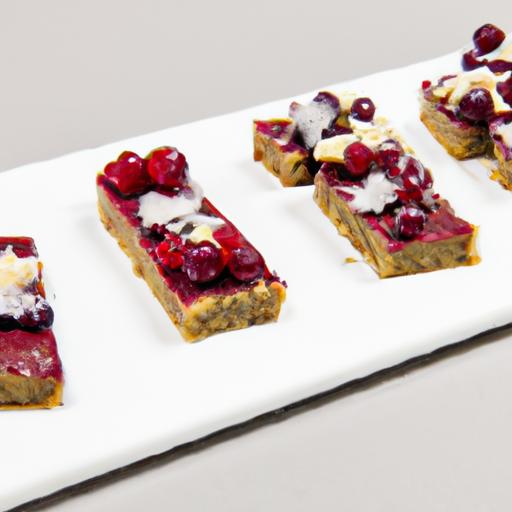

In a world where conscious choices shape our plates, baking has taken on a deliciously thoughtful twist. “Baking Better: Gluten-Free & Fair Trade Delights Unveiled” invites you on a flavorful journey that celebrates both health and ethics. From the wholesome charm of gluten-free ingredients to the empowering story behind each fair trade product, this article reveals how mindful baking can transform everyday treats into meaningful moments. Whether you’re a seasoned baker or a curious novice, prepare to discover recipes and secrets that don’t just taste good-but do good, too.
Baking Better: Gluten-Free & Fair Trade Delights Unveiled
Baking better with gluten-free and fair trade ingredients means embracing a spectrum of flavors and textures that celebrate both health and ethical choices. This recipe fuses these principles into a luscious Chocolate Almond Cake, exquisitely moist and rich, thanks to thoughtfully selected ingredients. Inspired by the timeless tradition of European almond cakes but reimagined through modern gluten-free techniques and fair trade-certified cocoa, this dessert invites you to savor every bite with confidence and conscience.
Prep and Cook Time
- Preparation Time: 20 minutes
- Cooking Time: 40 minutes
Yield
Serves 8 generous slices
Difficulty Level
Medium – perfect for bakers ready to explore gluten-free flours with ease and mastery.
Ingredients
- 1 ¾ cups almond flour, finely ground and sifted
- ½ cup gluten-free oat flour, light and fresh
- ¾ cup fair trade cocoa powder, unsweetened, rich in flavor
- 1 ½ teaspoons baking powder, gluten-free
- ¼ teaspoon fine sea salt
- 3 large free-range eggs, at room temperature
- 1 cup organic coconut sugar, for natural sweetness
- ½ cup fair trade virgin coconut oil, melted and cooled
- 1 teaspoon pure vanilla extract, gluten-free and fair trade certified
- ½ cup almond milk, unsweetened
- ⅓ cup fair trade dark chocolate chips (optional, for extra texture and richness)
Instructions
- Preheat your oven to 350°F (175°C) and grease an 8-inch springform pan with coconut oil. Line the base with parchment paper for easy release.
- In a large bowl, whisk together almond flour, gluten-free oat flour, fair trade cocoa powder, baking powder, and sea salt. Sift the dry ingredients twice for the smoothest crumb.
- In a separate bowl, beat the eggs until frothy. Gradually add the coconut sugar, continuing to whisk until the mixture lightens and becomes slightly creamy.
- Slowly pour in the melted coconut oil and vanilla extract, mixing gently to incorporate without deflating the eggs.
- Alternate adding the dry ingredients and almond milk to the wet mixture, starting and ending with the dry. Fold carefully after each addition to keep the batter airy.
- Fold in the dark chocolate chips if using, distributing them evenly for pockets of melted delight.
- Pour the batter into the prepared pan and smooth the surface with a spatula.
- Bake for 35-40 minutes, or until a toothpick inserted in the center comes out clean. The cake will be moist but set.
- Let cool in the pan for 15 minutes before releasing the springform sides. Transfer to a wire rack to cool completely.
Chef’s Notes: Tips for Success
- Flour blends: Almond and oat flour give a tender bite, but feel free to swap oat flour for quinoa flour to add protein.
- Storage: Keep the cake refrigerated in an airtight container; it tastes even better the next day as flavors meld.
- Make ahead: Cake can be baked 2 days in advance and frozen for up to 1 month-thaw overnight in the fridge.
- Troubleshooting: If your cake sinks, your leavening might be outdated. Always check freshness for best rise.
- Sweeteners: For a lower glycemic index, substitute coconut sugar with maple syrup but reduce almond milk by 2 tablespoons to maintain batter thickness.
Serving Suggestions
This gluten-free and fair trade cake shines when served with a dusting of powdered sugar and a scattering of toasted almond slivers. For an indulgent touch, accompany with whipped coconut cream infused with a dash of vanilla. Pair it beautifully with a cup of fair trade coffee or a vibrant raspberry coulis that lifts the rich cocoa notes. To highlight texture contrasts, add fresh mixed berries on the side, creating a colorful and inviting plate.

| Nutrient | Per Serving |
|---|---|
| Calories | 320 |
| Protein | 7g |
| Carbohydrates | 20g |
| Fat | 25g |
Further Reading
Explore more innovative gluten-free baking techniques and fair trade ingredient insights in our comprehensive guide on Mastering Gluten-Free Baking. For sustainable sourcing practices, visit the Fair Trade International official site at fairtrade.net to deepen your understanding of ingredient impact and ethical consumption.
Q&A
Q&A: Baking Better – Gluten-Free & Fair Trade Delights Unveiled
Q1: What inspired the growing trend of gluten-free and fair trade baking?
A1: The rise of gluten-free and fair trade baking stems from a sweet blend of health consciousness and ethical awareness. More people are recognizing gluten sensitivities and celiac disease, prompting a surge in gluten-free choices. At the same time, fair trade ingredients ensure that every bite supports farmers and communities around the world. Together, these trends bake kindness and wellness into every crumb.
Q2: How can bakers create delicious gluten-free treats without compromising texture and flavor?
A2: Gluten-free baking is an artful science! Using a mix of alternative flours like almond, coconut, and brown rice flour creates delightful textures. Adding binding agents such as xanthan gum or flaxseed “eggs” helps mimic the elasticity of gluten. The key is creativity and experimentation-once you find the right balance, the treats are irresistibly moist and flavorful.
Q3: What does it mean for ingredients to be fair trade, and why does it matter?
A3: Fair trade means that ingredients are sourced from producers who receive fair wages and work under humane conditions. It’s a promise that the chocolate in your cake or the sugar in your cookies hasn’t come at the cost of exploitation. Supporting fair trade is a way to bake social justice into your recipes, creating benefits that ripple across the globe.
Q4: Can gluten-free and fair trade baking be cost-effective for home bakers?
A4: While some specialty ingredients can have a premium price, savvy bakers can keep costs reasonable by buying in bulk, using seasonal produce, and focusing on simple recipes. Plus, the personal and global benefits-healthier eating and ethical sourcing-add immeasurable value beyond the price tag.
Q5: What are some must-try recipes that combine gluten-free and fair trade ingredients?
A5: Imagine a rich fair trade dark chocolate and hazelnut brownie with a crispy crust and gooey center-all gluten-free! Or spiced banana bread made with fair trade sugar and coconut flour, accented with a touch of cinnamon and nutmeg. These recipes not only tantalize your taste buds but also tell a story of care, compassion, and creativity.
Q6: How can bakers ensure they are truly using fair trade ingredients?
A6: Look for trusted certifications like Fair Trade Certified, Rainforest Alliance, or Fairtrade International on packaging. Research brands passionate about ethical sourcing and transparency. When shopping at local markets, don’t hesitate to ask about the origins of ingredients. Being an informed baker is the first step toward meaningful change.
Q7: What’s the future of baking with gluten-free and fair trade principles?
A7: The future is bright and bold! Innovation in alternative flours and sustainable farming techniques will expand the palette of flavors and textures. As awareness deepens, fair trade and gluten-free will likely become standard practices rather than niche options, inviting everyone to enjoy treats that delight the palate and uplift communities.
Q8: Any tips for beginners eager to start baking better?
A8: Start small-experiment with simple recipes and get familiar with alternative ingredients. Embrace failure as part of the journey. Connect with online communities or local groups for support and ideas. Most importantly, bake with heart; every gluten-free, fair trade treat is a celebration of health, ethics, and deliciousness!
Future Outlook
As we wrap up our journey through the world of gluten-free and fair trade baking, it’s clear that these delights offer more than just a tasty treat-they represent a mindful choice for health, sustainability, and global fairness. By embracing quality ingredients and ethical sourcing, bakers everywhere can craft flavors that nourish both the body and the conscience. So next time you whip up a batch of goodies, remember: better baking isn’t just about the recipe, but the story behind every bite. Here’s to baking better, one fair trade, gluten-free delight at a time!