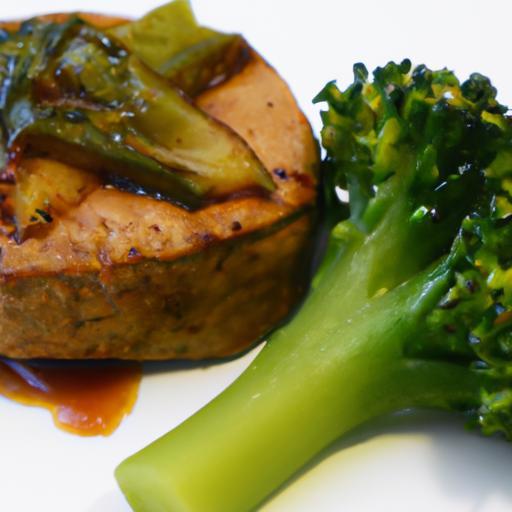

Imagine biting into a sizzling burger that tastes juicy, rich, and satisfying-but without a trace of meat. Welcome to the world of plant-based meat, where innovation meets appetite in a delicious dance that’s reshaping the future of food. As concerns over health, sustainability, and animal welfare grow, plant-based alternatives are no longer fringe curiosities; they are revolutionizing what lands on our plates. This exciting culinary transformation blends science and nature to create products that mimic the texture, flavor, and nutritional punch of traditional meat-all while treading more lightly on the planet. Join us as we explore the rise of plant-based meat and its bold promise to change the way we eat, one bite at a time.
Understanding the Nutritional Benefits and Limitations of Plant-Based Proteins
Plant-based meat has redefined the culinary landscape by offering a sustainable and nutritious alternative that benefits both our health and the planet. As someone deeply passionate about food innovation, I’ve witnessed firsthand how these proteins have evolved, combining convenience with flavor and texture that rival traditional meat. This recipe showcases a delicious plant-based meat skillet that perfectly balances nutrition and taste, making it an ideal gateway for incorporating more plant-forward dishes into your routine.
Prep and Cook Time
- Preparation: 15 minutes
- Cooking: 20 minutes
- Total Time: 35 minutes
Yield
Serves 4 hearty portions
Difficulty Level
Medium – approachable for adventurous home cooks
Ingredients
- 300g plant-based ground meat (preferably pea or soy protein-based)
- 2 tbsp olive oil
- 1 medium onion, finely diced
- 3 garlic cloves, minced
- 1 red bell pepper, julienned
- 1 cup mushrooms, sliced
- 1 tbsp smoked paprika
- 1 tsp ground cumin
- ½ tsp chili flakes (optional for a kick)
- Salt and black pepper, to taste
- 2 tbsp soy sauce or tamari for depth
- Fresh parsley for garnish
- 1 cup cooked quinoa (optional, for added protein and texture)
Instructions
- Heat the olive oil in a large skillet over medium heat. Once shimmering, add the diced onion and sauté until translucent, approximately 5 minutes.
- Add minced garlic and red bell pepper. Cook for another 3-4 minutes, stirring frequently to release aroma and soften the vegetables.
- Incorporate the sliced mushrooms and cook until they release their moisture and start browning, about 6 minutes. This step adds umami to the dish, enhancing the plant-based meat’s flavor.
- Introduce the plant-based ground meat into the skillet, breaking it apart gently with your spatula. Cook for around 7 minutes until it’s evenly heated and begins to brown lightly.
- Sprinkle smoked paprika, cumin, chili flakes, salt, and black pepper, stirring continuously to coat the mixture evenly with spices.
- Deglaze the pan by pouring in the soy sauce, scraping the bottom to lift any flavorful bits. Let it simmer for 2 minutes to allow the flavors to meld beautifully.
- If using, fold cooked quinoa into the mixture, stirring well for enhanced texture and nutrition.
- Remove from heat and sprinkle freshly chopped parsley on top for a burst of color and freshness.
Chef’s Notes
- For a smokier twist, experiment with a dash of liquid smoke or smoked sea salt.
- Tempeh mince or crumble can substitute the plant-based ground meat for a nuttier profile.
- This skillet stores well in airtight containers for up to 4 days – perfect for meal prepping.
- Adjust chili flakes to cater to your spice preference; removing it entirely keeps the dish mild and family-friendly.
Serving Suggestions
This vibrant skillet is stunning served over a bed of fluffy jasmine rice or warm flatbreads for scooping. Pair it with a tangy avocado salsa or crunchy pickled red onions to elevate each bite. Garnish with a wedge of lemon to add a zesty brightness just before serving.
| Nutritional Info (per serving) | Calories | Protein | Carbohydrates | Fat |
|---|---|---|---|---|
| Plant-Based Meat Skillet | 320 kcal | 25g | 18g | 14g |

Explore more ways to celebrate sustainability on your plate by checking out our collection of plant-based recipes. For detailed nutritional research supporting plant-based diets, visit Harvard T.H. Chan School of Public Health.
Q&A
Q&A: Plant-Based Meat – Revolutionizing What’s on Your Plate
Q1: What exactly is plant-based meat?
A1: Plant-based meat is a food product designed to mimic the taste, texture, and appearance of traditional animal meat, but it’s made entirely from plants. Think of it as a culinary chameleon-crafted from ingredients like peas, soy, mushrooms, and beet juice-that transforms humble plants into juicy burgers, savory sausages, and succulent nuggets.
Q2: Why is plant-based meat gaining so much popularity?
A2: The rise of plant-based meat is powered by a trio of forces: health, sustainability, and ethics. People crave the deliciousness of meat without the environmental footprint, animal welfare concerns, or cholesterol. Plus, innovations in food science have made these products more mouthwatering than ever, making the choice easier and more appealing.
Q3: How does plant-based meat impact the environment?
A3: Plant-based meat is a green hero in disguise. Producing it typically requires far less water, land, and energy compared to traditional livestock farming. It also results in significantly lower greenhouse gas emissions. Eating plant-based meat is like giving the planet a much-needed breath of fresh air.
Q4: Is plant-based meat actually healthier than conventional meat?
A4: While plant-based meat cuts out cholesterol and often contains less saturated fat, it can be processed similarly to traditional meats. It’s generally packed with protein and sometimes fortified with vitamins and minerals. As with any food, it’s wise to check labels and enjoy it in balance with whole foods for optimal health.
Q5: Can plant-based meat satisfy true meat lovers?
A5: Absolutely! Advances in texture technology and flavor science have made plant-based meat impressively juicy, tender, and savory. Many carnivores find themselves reaching for it not just as a substitute but as a delicious choice in its own right. It’s less about imitation-more about innovation.
Q6: What’s next for plant-based meat?
A6: The future is sizzling! Expect wider varieties-from seafood to deli slices-and even greater sustainability through cutting-edge fermentation and cellular agriculture. Plant-based meat is evolving from a niche niche to a mainstream culinary revolution, reshaping menus worldwide.
Q7: How can someone start incorporating plant-based meat into their diet?
A7: Start small-try swapping one meal a week for a plant-based option. Experiment with recipes: grill a plant-based burger, toss plant-based crumbles into your favorite pasta, or stir-fry plant-based strips with vibrant veggies. The secret is creativity and curiosity-it’s an exciting journey for your taste buds and the planet.
In Conclusion
As the sizzle of plant-based patties fills kitchens and menus worldwide, the revolution on our plates is unmistakably underway. More than just a trend, plant-based meat is reshaping how we think about food, sustainability, and health-one bite at a time. By embracing these innovative alternatives, we’re not only redefining flavor and texture but also nurturing a planet in need of change. So next time you sit down to eat, consider the power on your plate: a future where delicious meets conscientious, and every meal tells a story of transformation. The revolution is here, and it’s deliciously green.