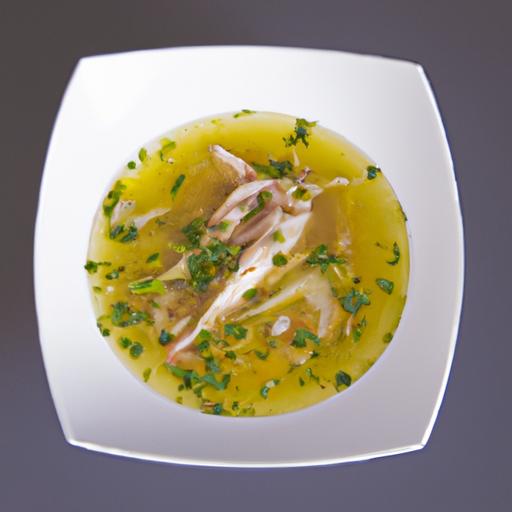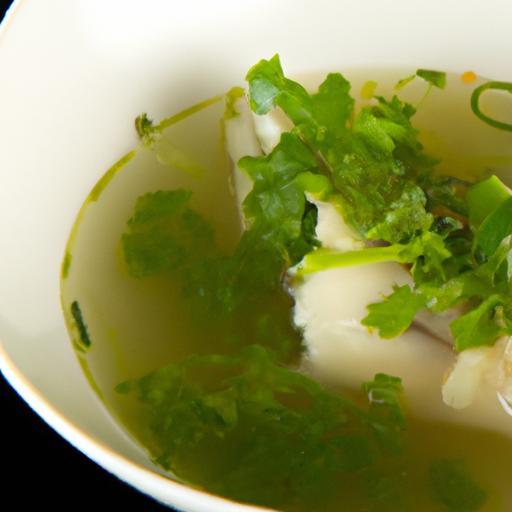

In the kitchen’s quiet corners, where vegetable peels pile up and leftover bones linger, lies a hidden treasure waiting to be unearthed. Imagine transforming what many see as scraps into a rich, flavorful foundation that elevates every dish it touches. Welcome to the art of mastering fish stock at home – a culinary alchemy that turns humble fish remnants into liquid gold. This isn’t just about saving waste; it’s about unlocking a depth of taste that store-bought broths can’t begin to match. Join us on a journey from kitchen scraps to sumptuous stock, where patience and simple ingredients converge to create magic in a pot.
Unlocking the Hidden Potential of Fish Scraps: Essential Techniques and Creative Infusions
Turning scraps to gold is not just a clever thought-it’s the heart of crafting a deeply flavorful fish stock that elevates your culinary creations. Using leftover fish bones, heads, and trimmings, you can unlock layers of oceanic richness packed with nutrients, creating a versatile kitchen staple that transforms soups, risottos, and sauces into unforgettable dishes.
Prep and Cook Time
- Preparation: 15 minutes
- Cooking: 45 minutes
- Total: 1 hour
Yield
- About 6 cups (1.4 liters) of fish stock
Difficulty Level
- Easy to Medium – perfect for home cooks eager to learn professional techniques
Ingredients
- Fish scraps: 2 pounds (900g) of mixed fish bones, heads, and trimmings, rinsed
- Cold water: 8 cups (1.9 liters)
- Onion: 1 medium, roughly chopped
- Leek: 1 stalk, white part only, sliced
- Carrot: 1 small, roughly chopped
- Celery stalk: 1, roughly chopped
- Garlic: 2 cloves, smashed
- Black peppercorns: 1 teaspoon
- Bay leaves: 2 small leaves
- Fresh thyme: 2 sprigs
- Fresh parsley stems: 1/4 cup, tied in a bouquet garni
- Lemon peel: from 1 lemon, strips only (avoid white pith)
- Optional aromatics: a few slices of fresh ginger or fennel fronds
Instructions
- Prepare the fish scraps: Rinse fish bones and trimmings under cold water to remove blood and impurities. This prevents cloudiness and off-flavors in your stock.
- Combine ingredients: Place the fish scraps in a large stockpot and cover with the cold water. Slowly bring to a gentle simmer over medium heat; avoid boiling to keep the stock clear and delicate.
- Skim frequently: As the water heats, foam and scum will rise to the surface. Skim them off diligently using a ladle or fine mesh skimmer to ensure a clean flavor and vibrant color.
- Add aromatics: After 10 minutes of simmering, add the chopped onion, leek, carrot, celery, garlic, peppercorns, bay leaves, thyme, parsley, and lemon peel. Incorporate optional aromatics to infuse nuanced fragrance.
- Simmer gently: Reduce heat to low and let the stock simmer uncovered for 30-45 minutes. Prolonged cooking is unnecessary for fish stock; overcooking releases bitter flavors.
- Strain the stock: Remove from heat and strain through a fine-mesh sieve lined with cheesecloth into a clean bowl. Discard solids or compost responsibly.
- Cool rapidly: Chill the stock in an ice bath to quickly reduce temperature, preserving freshness and safety.
- Store appropriately: Transfer cooled stock into airtight containers. Refrigerate for up to 3 days or freeze for up to 3 months to keep this culinary gold ready when inspiration strikes.
Tips for Success
- Use only non-oily fish scraps (avoid salmon or mackerel) to maintain purity and avoid overpowering flavors.
- Never boil your fish stock; keep it at a gentle simmer to keep the liquid clear and clean-tasting.
- For extra clarity, strain twice.
- Label and freeze stock in ice cube trays-perfect portions for quick sauces and soups.
- Citrus peels add brightness but avoid too much pith, which can impart bitterness.
- If you want a richer stock, lightly roast bones and aromatics beforehand, but this is optional.
Serving Suggestions
- Use this fish stock as a base for sophisticated seafood soups, such as bouillabaisse or clam chowder.
- Elevate risottos by replacing water or broth with fish stock for a subtle briny depth.
- Create a delicate poaching liquid for white-fleshed fish or shellfish using this fragrant stock.
- Enhance sauces, especially beurre blanc or a reduced fish velouté, with your homemade stock.
- Garnish finished dishes with fresh parsley, fresh lemon zest, and a drizzle of good olive oil to emphasize the stock’s brightness.
| Nutrient | Per Cup (240ml) |
|---|---|
| Calories | 20 |
| Protein | 2g |
| Carbohydrates | 1g |
| Fat | 0.3g |
For those eager to deepen their culinary knowledge, explore advanced seafood cooking techniques. For additional science-based insights on the nutritional benefits and safety of fish stock, visit the FDA Food Storage Guidelines.

Q&A
Q&A: Turning Scraps to Gold – Mastering Fish Stock at Home
Q1: What exactly is fish stock, and why should I care about making it at home?
A1: Fish stock is the flavorful liquid foundation made by simmering fish bones, heads, and scraps with aromatics. Think of it as liquid gold in the kitchen-it unlocks deep, oceanic flavors that elevate soups, stews, risottos, and sauces. Making it at home lets you transform leftovers into a rich, nuanced base, reducing waste and enhancing your dishes naturally.
Q2: Can I use any fish parts for stock, or are some better than others?
A2: Not all fish scraps are created equal. Firm, white-fleshed fish bones and heads (like cod, snapper, or halibut) are stars for stock-making because they provide a clean, delicate flavor. Avoid oily fish scraps (like salmon or mackerel) as they can impart a fishy or overly strong taste. The key is selecting scraps that contribute subtle, fresh flavors.
Q3: How do I prepare the fish scraps before simmering?
A3: Rinse your scraps gently under cold water to remove blood and impurities-this keeps your stock clear and bright. You can also roast the bones briefly for a deeper, roasted flavor, though classic fish stock is usually made without browning to maintain clarity and freshness.
Q4: What aromatics and seasonings work best in fish stock?
A4: Simple is best! Classic aromatics include onions, leeks, celery, and carrot, a bouquet garni of parsley stems, thyme, and bay leaf. Add crushed peppercorns for a hint of spice but hold back on salt-better to season your dish later. The aromatics softly infuse the stock, balancing the oceanic notes with earthiness.
Q5: How long should I simmer fish stock, and why not longer?
A5: Fish stock is delicate and quick. Simmer for 20 to 40 minutes-any longer, and the stock turns bitter or cloudy. The goal is to coax out the essence without breaking down the fragile collagen and fats that give it silkiness. Patience, not time, is the secret.
Q6: How do I store fish stock, and how long does it keep?
A6: Strain your stock through a fine sieve or cheesecloth to remove solids, then cool it quickly. Store in airtight containers in the fridge for up to 3 days or freeze in portions for up to 3 months. A frozen stock cube can be a quick flavor boost for your next seafood dish!
Q7: Any creative ways to use fish stock beyond soups and sauces?
A7: Absolutely! Use it as a poaching liquid for delicate fish fillets, add it to risottos for a hint of the sea, or even cook grains like quinoa or barley to infuse them with briny depth. Fish stock can also enrich seafood stews and chowders, turning them from good to unforgettable.
Q8: What’s your top tip for mastering fish stock at home?
A8: Treat your fish scraps like treasure, not trash. Respect their flavor by gentle simmering and simple aromatics. And always remember-clarity, freshness, and balance are your gold standards. Once you master that, your homemade fish stock will be the secret ingredient that transforms every dish.
Final Thoughts
As you close the lid on your simmering pot and catch that first savory aroma, remember: mastering fish stock is more than a cooking skill-it’s a tradition of transforming humble scraps into a treasure trove of flavor. With patience and care, the remnants of your catch become the heart of countless dishes, elevating weeknight meals to gourmet experiences. So next time you slice through fish, set aside those bones and heads, and embark on your own alchemical journey in the kitchen. Turning scraps to gold isn’t just a phrase-it’s a delicious reality waiting to enrich your home-cooked creations.