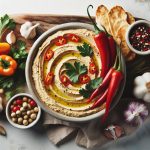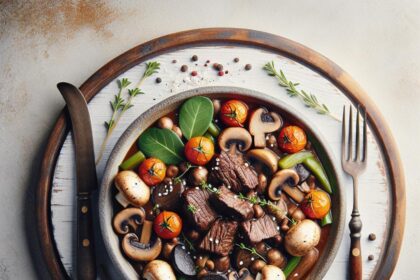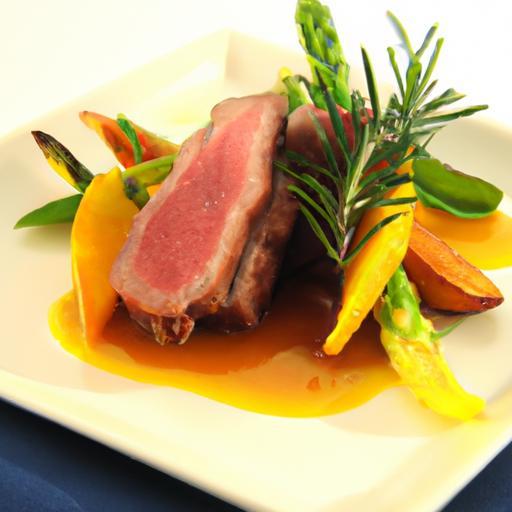

In kitchens around the world, the sizzle of the skillet and the aroma of spices tell stories as old as time-stories of nourishment, culture, and connection. Yet, beneath these savory tales lies a growing conversation about the choices we make when honoring the animals that sustain us. “Honoring Animals: Ethical Choices in Culinary Traditions” invites us to explore a delicate balance between heritage and morality, where respect for life meets the art of cooking. This journey unpacks how ancient customs evolve under the lens of compassion, encouraging us to rethink not only what we eat but how we honor the animals that inspire our plates.
Honoring Animals: Ethical Choices in Culinary Traditions – A Nourishing Plant-Based Lentil Shepherd’s Pie
Honoring Animals: Ethical Choices in Culinary Traditions starts with embracing both history and innovation on our plates. This vibrant Plant-Based Lentil Shepherd’s Pie offers a heartfelt nod to the rich cultural roots of animal-based cuisine by transforming a classic comfort dish with compassionate, sustainable ingredients. Inspired by traditional shepherd’s pie recipes passed down through generations, this version honors life’s cycle by using wholesome plant proteins and ethically sourced vegetables to celebrate nourishing, mindful consumption.
Prep and Cook Time
- Prep Time: 20 minutes
- Cook Time: 40 minutes
- Total Time: 1 hour
Yield
- Servings: 6 generous portions
Difficulty Level
- Intermediate – suitable for cooks comfortable with layering and simmering
Ingredients
- For the filling:
- 2 tbsp olive oil
- 1 large onion, finely chopped
- 3 cloves garlic, minced
- 2 carrots, diced
- 1 cup mushrooms, chopped
- 1 ½ cups dried brown lentils, rinsed
- 3 cups vegetable broth, low sodium
- 2 tbsp tomato paste
- 1 tsp fresh thyme, chopped
- 1 tsp fresh rosemary, chopped
- 1 tbsp soy sauce or tamari (for an umami kick)
- Salt and freshly ground black pepper, to taste
- For the topping:
- 4 large potatoes, peeled and quartered
- ¼ cup plant-based milk (unsweetened almond or oat milk works well)
- 2 tbsp vegan butter or olive oil
- Salt and white pepper, to taste
- Garnish (optional): Fresh parsley, finely chopped
Instructions
- Prepare the potatoes: Place the peeled potatoes in a large pot, cover with cold water, and bring to a boil. Simmer for 15-20 minutes until tender. Drain thoroughly.
- While the potatoes cook, start the filling: Heat olive oil in a large skillet over medium heat. Add onions and sauté until translucent, about 5 minutes.
- Add garlic, carrots, and mushrooms: Sauté for another 5-7 minutes until vegetables soften and release their aromas.
- Incorporate lentils, tomato paste, herbs, and soy sauce: Stir well to combine.
- Add vegetable broth: Bring to a boil, then reduce heat to a simmer. Cover and cook for 25-30 minutes, or until lentils are tender and liquid has thickened. Season with salt and pepper.
- Mash the potatoes: Return potatoes to the pot. Add plant-based milk and vegan butter, then mash until smooth and creamy. Season with salt and white pepper.
- Assemble the pie: Preheat oven to 400°F (200°C). Spread the lentil filling evenly in a baking dish. Layer the mashed potatoes evenly on top, using a fork to create texture.
- Bake: Place in the oven and bake for 20 minutes or until the topping is golden and crispy around the edges.
- Garnish and serve: Remove from oven, sprinkle fresh parsley over the top, and serve warm.
Tips for Success
- Make-ahead convenience: Prepare the filling and mashed potatoes separately a day in advance, then assemble and bake when ready.
- Variation: Swap brown lentils for green or red lentils if preferred; adjust cooking time accordingly as red lentils cook faster.
- Enhance umami: A splash of mushroom soy sauce or miso paste added to the filling can deepen flavors.
- Potato topping alternative: For a lighter topping, mash cauliflower with the potatoes or substitute half the potatoes with sweet potatoes for a subtle sweetness.
- Ensure thickness: If the filling is too watery before baking, simmer uncovered a bit longer to reduce excess liquid.
Serving Suggestions
This lentil shepherd’s pie stands beautifully on its own, offering hearty comfort with an ethical conscience. Pair it with a fresh kale salad tossed with lemon vinaigrette or steamed seasonal greens to brighten the plate. Garnished with a sprinkle of fresh parsley or chives, this dish invites you into a warm, nourishing experience that honors the balance between tradition and compassion.
For a rustic presentation, serve it directly from a cast-iron skillet or in warm ceramic dishes that keep the pie bubbly and inviting. Accompany with crusty whole-grain bread to soak up every savory, plant-based bite.

| Nutrient | Per Serving |
|---|---|
| Calories | 320 kcal |
| Protein | 15 g |
| Carbohydrates | 45 g |
| Fat | 6 g |
Explore more on plant-based comfort recipes in our Plant-Based Comfort Foods Collection and deepen your understanding of ethical ingredient sourcing at Fair Trade Certified.
Q&A
Q&A: Honoring Animals-Ethical Choices in Culinary Traditions
Q1: What does it mean to honor animals in culinary traditions?
A1: Honoring animals in culinary traditions means acknowledging and respecting the life and sacrifice of animals used for food. It involves thoughtful practices that celebrate their contribution while promoting mindfulness around our eating habits. This respect can manifest through rituals, storytelling, and choosing ethical sources.
Q2: How have different cultures historically honored animals in their food customs?
A2: Around the world, many cultures honor animals through ceremonial practices-offering prayers before a hunt, reciting thanks during meals, or using every part of the animal in cooking. For example, indigenous tribes often hold rituals to thank the spirit of the animal, while some traditional cuisines focus on nose-to-tail cooking as a mark of respect.
Q3: Why is ethical consideration important in modern culinary choices?
A3: Ethical consideration matters because our food choices impact animal welfare, environmental sustainability, and social responsibility. Being mindful helps reduce suffering, encourages humane farming practices, and supports ecological balance-ensuring that honoring animals isn’t just symbolic but translates to tangible, compassionate actions.
Q4: What are some ways to incorporate ethical eating while honoring culinary heritage?
A4: You can honor culinary heritage ethically by sourcing meat from local, sustainable farms, embracing plant-forward dishes inspired by traditional recipes, or practicing “mindful meat-eating”-where meat is consumed less frequently and with deeper appreciation. Adapting recipes with a focus on balance and respect ensures traditions live on, thoughtfully.
Q5: Can vegetarian or vegan diets contribute to honoring animals within culinary traditions?
A5: Absolutely! Vegetarian and vegan diets can honor animals by promoting compassion and reducing harm. Many culinary traditions include plant-based dishes that celebrate nature’s bounty without taking lives. Embracing these dishes as part of ethical eating honors the connection between humans, animals, and the earth.
Q6: How can chefs and home cooks alike practice honoring animals ethically?
A6: Both chefs and home cooks can practice ethical honoring by choosing quality ingredients, minimizing waste, and learning the stories behind their food. Sharing knowledge about ethical sourcing and incorporating rituals of gratitude-like pausing before a meal-cultivates respect and deepens the culinary experience.
Q7: What role does storytelling play in honoring animals within food culture?
A7: Storytelling keeps the memory and significance of animals alive in culinary traditions. Through stories about hunts, farming practices, or cultural myths, communities sustain respect for animals and the natural world. These narratives foster a connection that makes eating an act of reverence, not just consumption.
Q8: How can restaurants integrate ethical honoring of animals into their menus?
A8: Restaurants can highlight ethically sourced ingredients, offer dishes that celebrate whole animals to reduce waste, and educate diners through menu notes or events. Incorporating local and seasonal produce alongside animal products thoughtfully procured shows commitment to honoring animals and the environment.
Q9: What challenges do people face when trying to honor animals ethically in their diets?
A9: Challenges include navigating availability and cost of ethical products, overcoming cultural habits, and balancing nutrition needs. Additionally, the global food system’s complexity can make it hard to trace the origins of animal products. However, small conscious choices and education can gradually lead to more respectful eating patterns.
Q10: Ultimately, why should we care about honoring animals in our culinary traditions?
A10: Because how we relate to the animals we eat reflects our values and shapes our world. Honoring animals in culinary traditions fosters empathy, promotes sustainability, and nurtures a sacred connection between humans and nature. It transforms everyday meals into acts of gratitude and responsibility, enriching both palate and spirit.
In Conclusion
As we savor the rich tapestry of global culinary traditions, honoring the animals that have nourished us invites a deeper reflection on the choices we make at the table. Ethical eating is not merely a trend but a timeless dialogue between culture, compassion, and conscience. By embracing practices that respect animal life-whether through mindful sourcing, compassionate preparation, or thoughtful consumption-we transform every meal into an act of gratitude and responsibility. In celebrating these principles, we honor not just the animals themselves, but the shared journey of sustenance that connects us all. Ultimately, the path to ethical culinary traditions is as varied and vibrant as the dishes we cherish, reminding us that every bite carries the legacy of respect and care.