
In the world of culinary craftsmanship, true flavor lies not just in abundance, but in reverence for every morsel. Enter the art of nose-to-tail cooking, a philosophy that champions sustainability by honoring every part of an ingredient. When applied to shrimp-a crustacean of delicate sweetness and briny depth-this approach transforms the humble shell and head, often discarded, into a symphony of taste. “Unlocking Flavor: The Art of Nose-to-Tail Shrimp Bisque” dives deep into this savory tradition, revealing how shrimp’s overlooked treasures become the soul of a rich, velvety bisque. Join us as we explore the alchemy of technique and respect that unlocks layers of flavor beyond the shell, proving that sometimes, the best bites are the ones you never knew you were missing.
Unlocking Flavor: The Art of Nose-to-Tail Shrimp Bisque begins with a commitment to honoring every element of the shrimp – from shell to tail – to coax out the richest umami essence imaginable. This deeply satisfying bisque is a celebration of both tradition and innovation, where careful layering of aromatics and spices meets silky textures crafted through time-honored and modern culinary techniques.
Prep and Cook Time
Preparation: 30 minutes | Cook: 1 hour 20 minutes | Total: 1 hour 50 minutes
Yield
Serves 6 generously
Difficulty Level
Advanced – Ideal for those eager to elevate their seafood repertoire with refined skills.
Ingredients
- 1 lb whole shrimp (with shells and heads, deveined)
- 3 tbsp olive oil
- 1 small onion, finely diced
- 2 garlic cloves, minced
- 1 celery stalk, finely chopped
- 1 large carrot, diced
- 1 tbsp tomato paste
- 1/2 cup dry white wine
- 4 cups seafood stock or water
- 1 tsp smoked paprika
- 1/2 tsp cayenne pepper (adjust to heat preference)
- 1 fresh bay leaf
- 1/2 cup heavy cream
- 2 tbsp unsalted butter
- Juice of 1/2 lemon
- Salt and freshly ground black pepper, to taste
- Fresh chives, finely sliced (for garnish)
- Crusty artisan bread, for serving
Instructions
- Prepare the Shrimp Stock: Rinse the shrimp thoroughly. In a large pot, heat 3 tbsp olive oil over medium heat. Add shrimp shells and heads, sautéing until they turn pink and fragrant, about 5 minutes. This caramelization unlocks deep umami flavors essential to the bisque.
- Layer Aromatics: Add onion, garlic, celery, and carrot to the pot. Sauté until softened and translucent, about 7 minutes, stirring often to prevent burning.
- Incorporate Tomato Paste and Spices: Stir in tomato paste, smoked paprika, and cayenne pepper, cooking for 2 minutes to deepen their flavor.
- Deglaze and Simmer: Pour in the white wine, scraping the bottom of the pot to lift browned bits. Let it reduce by half, approximately 5 minutes.
- Add Stock and Bay Leaf: Pour in the seafood stock and drop in the bay leaf. Bring to a boil, reduce heat, and simmer for 45 minutes, allowing the flavors to fully meld.
- Strain the Stock: Carefully strain through a fine-mesh sieve into a clean saucepan. Press shells gently to extract maximum flavor. Discard solids.
- Blend and Finish the Bisque: Reserve the peeled shrimp meat chopped roughly. Add this to the strained stock along with heavy cream and unsalted butter. Warm gently and use an immersion blender to purée until luxuriously silky. Avoid overheating to maintain creaminess.
- Season and Brighten: Stir in lemon juice, and season with salt and pepper to taste. The brightness from lemon ensures a perfectly balanced depth.
Tips for Success
- Use fresh whole shrimp: The shells and heads are the heart of the stock’s umami powerhouse.
- Sauté shells slowly: Low and slow caramelization with frequent stirring ensures maximum flavor without bitterness.
- Don’t skip straining: A fine, silky bisque depends on smooth textures.
- Adjust creaminess: Customize by substituting heavy cream with half & half for a lighter version.
- Make-ahead tip: The stock can be made 2 days in advance and refrigerated; reheat gently before blending.
Serving Suggestions
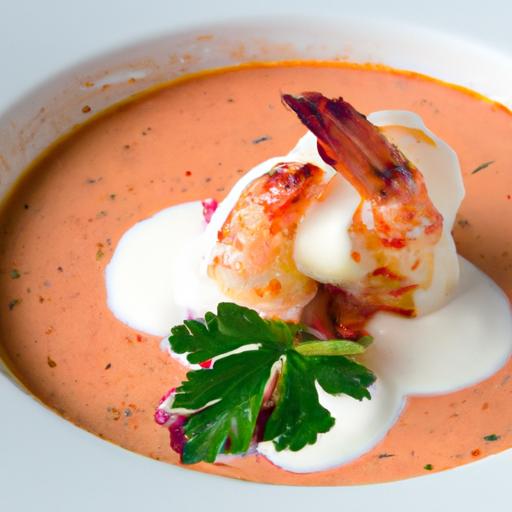
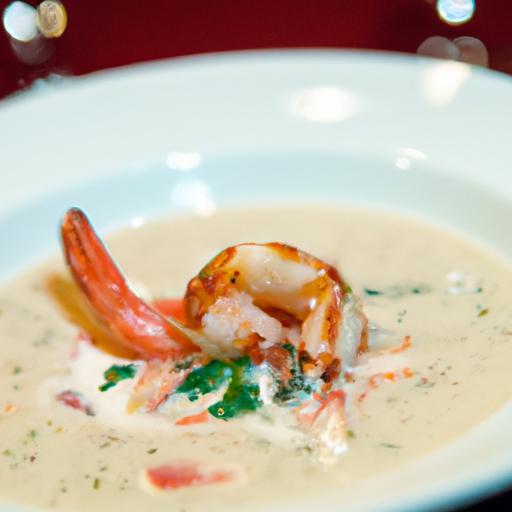
Serve this bisque in warmed bowls, garnished with a delicate sprinkle of fresh chives and a light drizzle of extra virgin olive oil for gloss and aroma. Pair with a crisp white wine such as Sauvignon Blanc or a buttery Chardonnay to complement the rich umami. A side of toasted artisan bread allows guests to savor every drop. For an elevated presentation, top with a dollop of crème fraîche and a few whole sautéed shrimp on the surface.

| Nutrient | Amount per Serving |
|---|---|
| Calories | 320 kcal |
| Protein | 28 g |
| Carbohydrates | 12 g |
| Fat | 18 g |
For further inspiration on seafood broth techniques, check out our detailed Seafood Stock Mastery. To explore the health benefits of shrimp and seafood, visit the authoritative Healthline Shrimp Nutrition Guide.
Q&A
Q&A: Unlocking Flavor – The Art of Nose-to-Tail Shrimp Bisque
Q1: What does “nose-to-tail” mean when applied to shrimp bisque?
A1: Traditionally, “nose-to-tail” refers to using the entire animal in cooking to minimize waste and maximize flavor. When applied to shrimp bisque, it means utilizing every part of the shrimp-shells, heads, and tails included-to build a rich, deeply layered broth that forms the bisque’s flavorful foundation.
Q2: Why use shrimp shells and heads instead of just the meat?
A2: Shrimp shells and heads are treasure troves of flavor. They contain concentrated umami and subtle sweetness that simply don’t come from the meat alone. Simmering these parts extracts gelatin, aromatics, and marine essence, resulting in a bisque that’s both luxurious and intensely savory.
Q3: How do you prevent bitterness or off-flavors when using the whole shrimp?
A3: It’s all about balance and technique. Quickly roasting or toasting the shells before simmering can deepen flavor and reduce bitterness. Gentle simmering, rather than boiling, helps preserve delicate aromatics. Adding complementary ingredients like mirepoix, tomatoes, and a splash of acid (lemon or wine) also harmonizes and brightens the broth.
Q4: What’s the secret to achieving that creamy, silky texture characteristic of shrimp bisque?
A4: The magic lies in emulsification. After straining the broth, blending it with cream and sometimes a roux or beurre manié creates that lush, velvety mouthfeel. Incorporating a bit of pureed shrimp meat back into the bisque can also boost texture and richness.
Q5: Can nose-to-tail shrimp bisque be made in advance? How should it be stored?
A5: Absolutely! The flavors often deepen overnight, making it an excellent make-ahead dish. Cool the bisque quickly after cooking, store it in airtight containers in the refrigerator for up to 3 days, or freeze for longer storage. Gently reheat on the stovetop, stirring occasionally to preserve the bisque’s creamy consistency.
Q6: How can home cooks elevate their shrimp bisque experience?
A6: Experiment with layered aromatics like fennel, saffron, or smoked paprika for unexpected depth. Garnishes such as a dollop of crème fraîche, fresh herbs, or crispy fried shrimp tails add texture and contrast. Serving with crusty bread or a splash of sherry can turn a humble bisque into a gourmet moment.
Q7: What cultural or culinary traditions inspire the nose-to-tail approach in seafood bisques?
A7: The philosophy echoes sustainable cooking practices found in Cajun, Provençal, and Japanese cuisines, where no part of the catch goes unused. In many coastal cultures, maximizing flavor from shells and heads is not just practical but a revered art form, passed down through generations.
By embracing every part of the shrimp, nose-to-tail bisque unlocks a world of flavor and respect for the sea’s bounty – a testament to culinary creativity and mindful cooking.
To Conclude
As we savor the last velvety spoonful of this nose-to-tail shrimp bisque, it’s clear that unlocking flavor is more than just a culinary technique-it’s a philosophy of respect and resourcefulness. By embracing every part of the shrimp, we transform humble ingredients into a rich, complex symphony of taste that honors the ocean’s bounty. This artful approach not only elevates your bisque but also deepens your connection to the craft of cooking, reminding us that true flavor lies in the details we often overlook. So next time you peel back the layers of your seafood, remember: the secret to brilliance is hidden in what we choose not to discard but to celebrate.