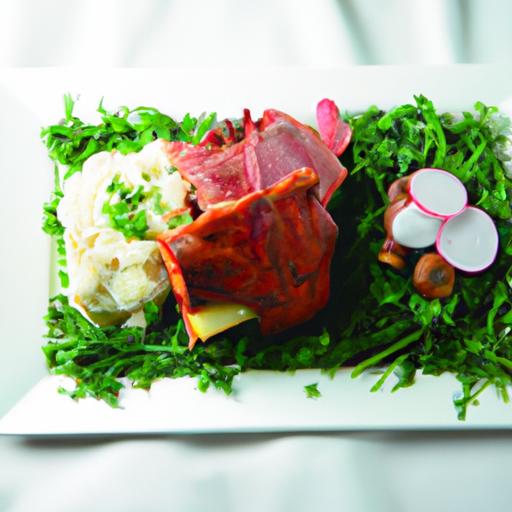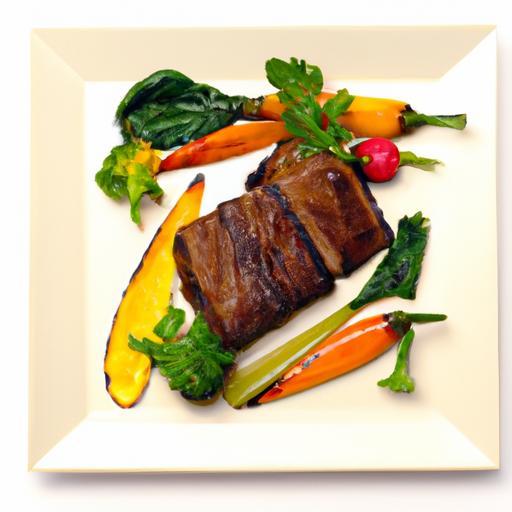

In a world where food choices increasingly echo our values, the farm-to-table movement has blossomed into a powerful celebration of sustainability, community, and flavor. Yet, amid this growing awareness, a deeper level of respect for local meats often gets overlooked-the philosophy of “from snout to tail.” Embracing every cut, every bone, and every morsel of an animal sourced from nearby farms not only honors the life of the creature but also strengthens local economies and reduces waste. This approach invites us to rethink old habits and rediscover the richness of our food heritage, turning each meal into a conscious act of gratitude and stewardship. Join us as we explore the art and ethics of truly savoring local farm meats from snout to tail, and how this mindset can transform your plate and your community.
From Snout to Tail: Embracing Local Farm Meats Fully
From Snout to Tail: Embracing Local Farm Meats Fully unlocks the rich potential of every cut, celebrating sustainable, whole-animal cooking. This approach not only honors the animal and supports trusted local farms but invites you to experiment with lesser-known meats that are bursting with flavor and nutrient density.
Prep and Cook Time
Prep Time: 25 minutes
Cook Time: 1 hour 15 minutes
Yield
Serves 4 hearty portions
Difficulty Level
Medium – perfect for adventurous home cooks eager to explore new flavors.
Ingredients
- 2 lbs pork shoulder, trimmed and cut into 2-inch cubes
- 1 cup local chicken livers, cleaned
- 4 tbsp rendered pork fat or olive oil
- 1 large onion, finely chopped
- 3 cloves garlic, smashed and minced
- 1 cup dry white wine (or apple cider for sweeter touch)
- 2 cups homemade bone broth from local beef bones
- 2 sprigs fresh rosemary
- 1 bay leaf
- 1 tsp smoked paprika
- Salt and freshly cracked black pepper, to taste
- Fresh parsley for garnish, chopped
- Crusty artisan bread for serving
Instructions
- Warm the rendered pork fat in a large heavy-bottomed skillet over medium heat. Sauté the pork shoulder cubes until they are golden on all sides, about 8-10 minutes. Remove and set aside.
- In the same skillet, add the chopped onion and cook until translucent, about 5 minutes, stirring occasionally to prevent burning.
- Add garlic and cook for another 1-2 minutes until fragrant, taking care not to let it brown.
- Deglaze the pan by pouring in the white wine. Use a wooden spoon to scrape up all the flavorful browned bits from the bottom, simmering until the wine reduces by half.
- Return the pork cubes to the pan, stirring in the bone broth, rosemary, bay leaf, and smoked paprika. Season generously with salt and black pepper.
- Reduce heat to low, cover, and simmer gently for 45 minutes or until the pork is tender and the sauce has thickened.
- While the meat simmers, prepare the chicken livers by rinsing them quickly under cold water, drying thoroughly, and seasoning with salt and pepper.
- Heat 1 tablespoon of pork fat in a small skillet over medium heat. Sear the chicken livers quickly for 2-3 minutes per side until just cooked through but still pink inside-avoid overcooking to keep them tender.
- Remove rosemary sprigs and bay leaf from the pork stew, and gently fold in the seared chicken livers for a minute to meld flavors.
- Serve immediately, garnished with fresh parsley and accompanied by crusty artisan bread to soak up the rich sauce.
Tips for Success
- For a richer flavor, use pork fat rendered from local farms you trust, enhancing the dish’s depth and authenticity.
- If pork shoulder isn’t available, try beef brisket or lamb shoulder for a similar tender texture.
- This recipe shines when paired with slow-roasted root vegetables sourced from your local farmer’s market.
- Make-ahead tip: The stew tastes even better the next day as the flavors develop – gently reheat on low.
- For a gluten-free option, swap the bread for roasted potatoes or a hearty grain like farro.
Serving Suggestions
Present this dish in rustic earthenware bowls to highlight its farm-to-table essence. Sprinkle freshly chopped parsley atop for a vibrant pop of color and fresh herbaceous note. A side of tangy homemade pickles or a crisp winter salad balances the rich flavors perfectly. Pair with a glass of dry white wine or a farmhouse ale to complement the hearty meat.

| Nutrient | Per Serving |
|---|---|
| Calories | 520 kcal |
| Protein | 45 g |
| Carbohydrates | 6 g |
| Fat | 32 g |
Discover the endless possibilities with whole animal cooking by exploring more in-depth humane sourcing at the Local Harvest directory and embrace flavors you never imagined were possible.
Q&A
Q: What does the phrase “From Snout to Tail” mean in the context of farm meats?
A: “From Snout to Tail” refers to the practice of utilizing the entire animal – every part from its snout to its tail – rather than just the conventional cuts like steaks or roasts. It honors the animal by reducing waste, embracing less common cuts, and celebrating the full flavor and texture spectrum of locally raised meats.
Q: Why should we embrace local farm meats over conventional supermarket options?
A: Local farm meats often come from animals raised with care, on pasture or sustainable diets, resulting in richer flavor and better nutritional profiles. Supporting local farms strengthens community ties, promotes environmental stewardship, and encourages transparency about animal welfare and farming practices.
Q: How does using the whole animal impact sustainability?
A: Utilizing all parts of the animal minimizes waste and maximizes the resources invested in raising it. It reduces the environmental footprint by making meat consumption more efficient, helping to balance livestock production with ecosystem health, and encouraging farmers to maintain diverse heritage breeds.
Q: What are some creative ways to cook lesser-known cuts and offal from local farm meats?
A: The possibilities are endless! Slow braising tendons and cheeks turns them tender and flavorful, while liver pâtés and bone marrow spreads bring rich indulgence. You can crisp up pig ears for snacks, make head cheese, or create flavorful stocks and broths from bones. Traditional recipes and modern twists both celebrate these hidden gems.
Q: How can someone new to “snout to tail” eating get started?
A: Begin by building a relationship with a local farmer or butcher who shares these values. Start small-try ground meats made from mixed cuts, or experiment with one new organ meat at a time. Cooking classes, recipes online, or community events focused on whole-animal butchery can also boost confidence.
Q: Does embracing whole-animal eating require special tools or skills?
A: While a sharp knife and basic kitchen tools are helpful, it’s more about mindset and curiosity than expertise. As you learn, investing in butcher’s tools or a meat grinder can expand your options. Educational resources and collaborative cooking can turn the learning curve into a flavorful adventure.
Q: What cultural or historical significance does “snout to tail” eating hold?
A: Historically, many cultures practiced whole-animal utilization out of necessity and respect-nothing was wasted. This tradition connects us with ancestral ways of living sustainably and respectfully with the food we consume. Reviving these practices honors cultural heritage while promoting modern ethical eating.
Q: How does embracing “snout to tail” eating benefit animal welfare?
A: When every part of the animal is valued, farmers are incentivized to raise animals humanely and sustainably. It encourages smaller, slower farming methods where animals live natural lives and are ultimately honored in their entirety, contrasting with mass-production systems focused on quick yield.
Q: Can “snout to tail” eating fit into modern lifestyles?
A: Absolutely! With thoughtful planning, meal prep, and a willingness to experiment, whole-animal eating can be convenient and delicious. It offers a richer, more varied culinary experience and can deepen appreciation for food origins, even in busy urban settings.
Q: What is the ultimate message of embracing “From Snout to Tail” local farm meats?
A: It’s an invitation to reconnect with food in a way that honors animals, supports local farmers, celebrates flavor diversity, and champions sustainability. Eating “From Snout to Tail” is more than a culinary choice-it’s a mindful act of respect and stewardship for our food and our world.
Closing Remarks
Embracing local farm meats from snout to tail is more than a culinary choice-it’s a celebration of sustainability, respect, and flavor. By honoring every part of the animal, we not only reduce waste but also connect deeply with the rhythms of the land and the hands that nurture it. This holistic approach invites us to rediscover age-old traditions and savor the rich tapestry of tastes that local farms uniquely offer. As we turn the last page on this journey, let’s carry forward the spirit of mindful eating-where conscious choices nourish our bodies, support our farmers, and cultivate a more resilient food future. From snout to tail, the story is complete, flavorful, and waiting to be told on your plate.