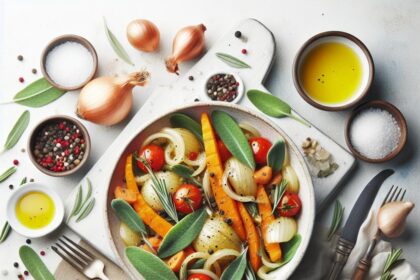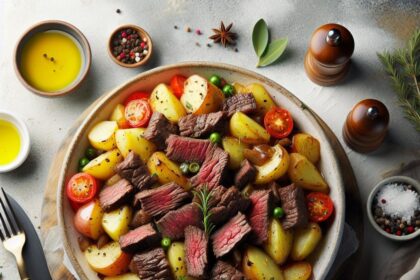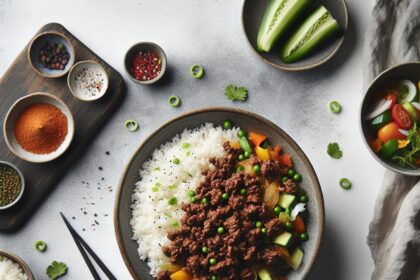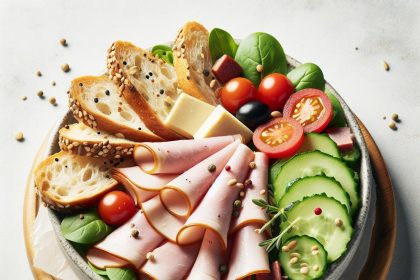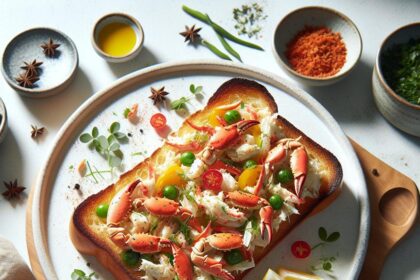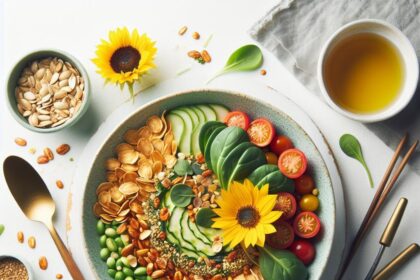

In kitchens around the world, the story of a meal doesn’t always end when the last bite is taken. Often, hidden treasures linger in Tupperware containers, half-eaten bowls, and the nooks of the refrigerator. “Saving Plates: Creative Food Rescue from Everyday Leftovers” is a celebration of these overlooked culinary gems. More than just a guide to reducing waste, this article invites you to see leftovers not as yesterday’s stories, but as the key ingredients for tomorrow’s inspirations. From reinventing scraps into gourmet delights to transforming forgotten bits into vibrant new meals, we’ll explore the art and science of food rescue-turning what’s left on your plate into something beautifully delicious, sustainable, and smart. Welcome to the delicious revolution where every crumb counts and creativity is the most flavorful spice.
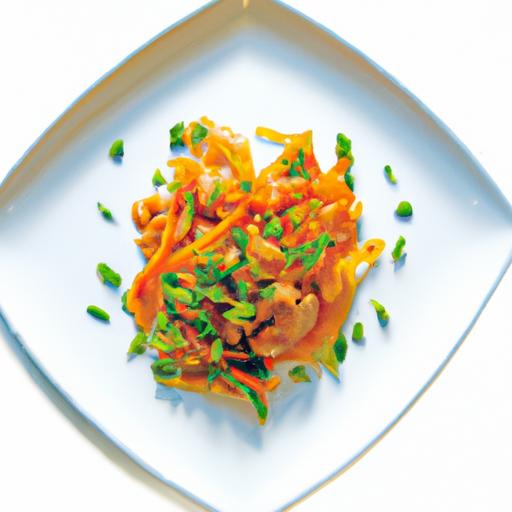
Saving Plates: Creative Food Rescue from Everyday Leftovers inspires transforming humble, overlooked ingredients into stunningly flavorful side dishes that elevate your meals while reducing waste. Imagine rediscovering the rustic charm of day-old bread, the hearty texture of leftover grains, and the quiet potential of forgotten veggies-each element waiting to be reborn. This recipe celebrates those kitchen gems with a vibrant Herbed Vegetable Grain Salad with Crispy Bread Croutons, a dish bursting with freshness, texture, and soul. Inspired by Mediterranean flavors and my own quest to honor every ingredient, it’s a joy to create and share with loved ones.
Prep and Cook Time
Preparation: 15 minutes | Cooking: 20 minutes | Total: 35 minutes
Yield
Serves 4 as a side dish
Difficulty Level
Easy to Medium
Ingredients
- 2 cups cooked mixed grains (quinoa, farro, or brown rice), cooled
- 1 ½ cups assorted roasted or steamed vegetables (carrots, zucchini, beets, or sweet potato), chopped
- 2 cups day-old crusty bread, cut into 1-inch cubes
- 3 tbsp extra virgin olive oil, divided
- 2 cloves garlic, minced
- 1 tbsp fresh rosemary, finely chopped
- 1 tbsp fresh parsley, chopped
- 1 tsp lemon zest
- 2 tbsp lemon juice
- Salt and freshly ground black pepper to taste
- ½ cup toasted pine nuts or walnuts (optional)
- 1 small red onion, thinly sliced
- 1 cup baby spinach or arugula
Instructions
- Prepare the croutons: Preheat the oven to 375°F (190°C). Toss bread cubes with 2 tablespoons olive oil, minced garlic, and chopped rosemary. Spread evenly on a baking sheet. Bake for 12-15 minutes, turning once halfway until golden and crispy. Set aside to cool.
- Warm the vegetables: In a large skillet, heat 1 tablespoon olive oil over medium heat. Add chopped vegetables and sliced onion. Sauté for 5-7 minutes until just tender but still vibrant. Season lightly with salt and pepper.
- Mix the grains and dressing: In a large bowl, combine cooled cooked grains and sautéed vegetables. Add lemon zest, lemon juice, fresh parsley, and a pinch of salt and pepper. Stir gently to blend flavors.
- Incorporate fresh greens: Fold in baby spinach or arugula while the grains are still slightly warm to slightly wilt the leaves, enhancing their flavor and texture.
- Assemble and finish: Right before serving, toss in the crispy croutons and toasted nuts if using. Adjust seasoning with extra lemon juice or salt as desired.
- Plate the salad: Serve on a wide, shallow bowl to showcase the colorful grains and vegetables, garnished with a sprinkle of fresh parsley or a small drizzle of olive oil for a glossy finish.
Tips for Success
- Use day-old bread that is firm and slightly dry for the crispiest croutons.
- Grain options: Mix and match grains like farro, barley, quinoa, or brown rice to introduce different textures and tastes.
- Rest the cooked grains uncovered in the fridge for an hour before using to dry out excess moisture, preventing clumping in the salad.
- Make ahead: Prepare grains and croutons separately a day in advance; assemble the salad just before serving to preserve crunch.
- For a vegan twist, replace pine nuts with toasted pumpkin seeds for an earthy crunch.
Serving Suggestions
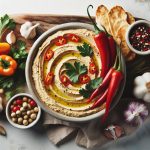
This salad pairs beautifully with grilled proteins like lemon-herb chicken, fish, or plant-based burgers. Present it in rustic bowls with a sprinkle of microgreens or edible flowers for a sophisticated touch. Offer a side of tzatziki or hummus dips to deepen the Mediterranean experience.
| Nutrient | Per Serving |
|---|---|
| Calories | 320 |
| Protein | 9g |
| Carbohydrates | 45g |
| Fat | 10g |

Explore more sustainable kitchen practices and recipes in our Zero Waste Kitchen Routine guide, or deepen your food rescue strategies by visiting the EPA’s Food Waste Reduction page for expert tips and resources.
Q&A
Q&A: Saving Plates – Creative Food Rescue from Everyday Leftovers
Q1: What is “Saving Plates” all about?
A1: “Saving Plates” is a deliciously inventive approach to reducing food waste by transforming everyday leftovers into mouthwatering meals. It’s about seeing those half-forgotten bits in your fridge not as scraps, but as the building blocks for new culinary creations that save money and the planet.
Q2: Why should we care about rescuing leftovers?
A2: Beyond the obvious-saving food means saving money and minimizing waste-rescuing leftovers taps into a creative mindset. It challenges us to rethink what’s possible in the kitchen, reduces landfill waste, and lessens the environmental impact of producing and disposing of excess food.
Q3: What kinds of leftovers are best for creative rescue?
A3: Almost anything can be saved! Day-old rice becomes fried rice or arancini balls; wilted veggies transform into soups, frittatas, or sauces; stale bread turns into croutons, bread pudding, or panzanella salad. The key is to stay open-minded and adventurous.
Q4: Can you share a simple tip for turning leftovers into a new dish?
A4: Absolutely! Start with a base ingredient (like rice, pasta, or potatoes), then mix in any leftover proteins, veggies, and sauces you have. For example, toss leftover roasted chicken and steamed broccoli into scrambled eggs for an easy, nutrient-packed breakfast scramble.
Q5: How does “Saving Plates” relate to sustainability?
A5: By creatively repurposing leftovers, we reduce food waste, which is a major global issue. Food waste generates methane, a potent greenhouse gas, when it decomposes in landfills. So, saving plates is not just about eating well-it’s about eating responsibly.
Q6: Any creative recipe ideas to inspire food rescue beginners?
A6: Try a “Leftover Stir-Fry”-sauté whatever veggies and proteins you have, add a splash of soy sauce or your favorite seasoning, and serve over leftover grains. Or whip up a “Fridge Clean-Out Frittata” by mixing eggs with random veggies and cheese for an easy, satisfying meal.
Q7: What mindset helps in adopting creative food rescue?
A7: Curiosity and flexibility are your best kitchen allies. Instead of thinking “what am I missing?” ask “what can I make with what I have?” Embrace small imperfections and experiment-often, the most unexpected combinations result in your new favorite dish.
Q8: How can families get kids involved in saving plates?
A8: Turn food rescue into a fun challenge! Let kids pick leftover ingredients and invent a new recipe. It teaches creativity, reduces waste awareness early on, and might just turn picky eaters into enthusiastic food explorers.
Q9: Where can readers find more inspiration for saving plates?
A9: Plenty of blogs, social media accounts, and cookbooks are devoted to leftover makeovers and zero-waste cooking. Look for phrases like “food rescue recipes,” “leftover hacks,” or “creative meal prep” to dive deeper into this tasty, sustainable trend.
Q10: What’s the ultimate takeaway from “Saving Plates”?
A10: Every leftover is an opportunity-a humble beginning for a new, flavorful adventure. Saving plates isn’t just about preventing waste; it’s a celebration of creativity, resourcefulness, and the joy of turning the ordinary into extraordinary on your dining table.
Final Thoughts
As the last crumbs on our plates remind us, every morsel carries a story-one that doesn’t have to end in waste. By embracing the art of saving plates, we transform everyday leftovers into culinary treasures, turning the ordinary into extraordinary with a sprinkle of creativity and a dash of mindfulness. This not only nourishes our bodies but also honors the resources that brought our meals to life. So next time you stare at those remnants in your fridge, remember: within those humble scraps lies the potential for a delicious, sustainable future-one saved plate at a time.