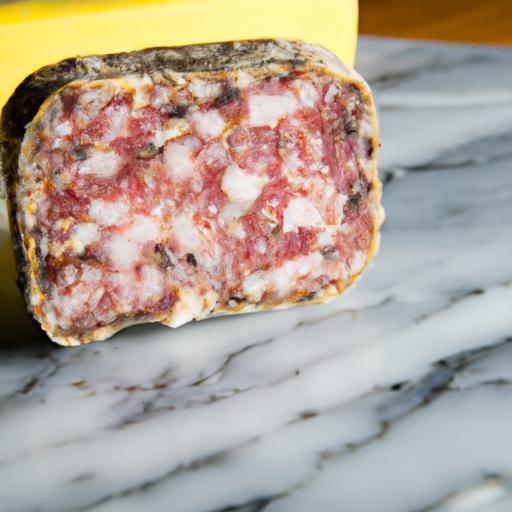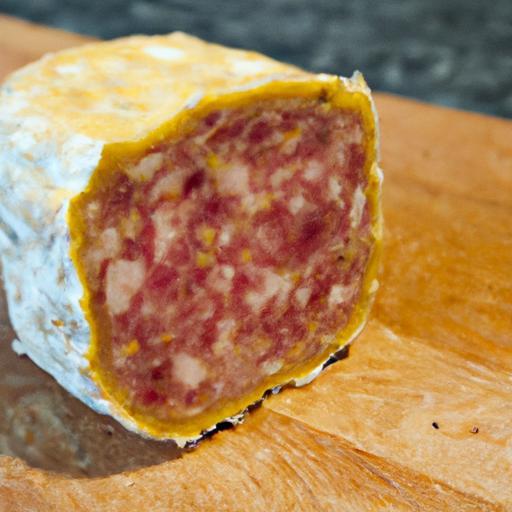

In kitchens across the world, nose-to-tail cooking is more than a trend-it’s a celebration of tradition, thrift, and flavor. Among the many age-old recipes that honor this philosophy, classic head cheese stands out as a culinary jewel, transforming humble cuts into a savory masterpiece. “From Snout to Tail: Crafting Classic Head Cheese at Home” invites you to rediscover the art of whole-animal cooking, guiding you through the time-honored process of turning pork’s most unassuming parts into a luscious, gelatinous terrine that’s bursting with character. Whether you’re a curious home cook or a devoted foodie, this guide offers a hands-on journey into the rich heritage behind one of the most distinctive charcuterie delights-where every bite tells a story of resourcefulness and respect for the ingredients.
Head cheese is a remarkable dish that captures the essence of resourceful cooking, turning humble cuts into a savory, gelatinous terrine bursting with rustic flavor. Originating from Europe, this culinary staple has traveled from farmhouse tables to refined charcuterie boards, embodying the art of transformation through slow simmering and careful preparation. Embracing the tradition of nose-to-tail eating, crafting classic head cheese at home connects you deeply to culinary heritage and elevates your kitchen repertoire.
Prep and Cook Time
- Preparation: 30 minutes
- Cooking: 3 hours (simmering)
- Cooling and Setting: 8 hours to overnight
Yield
Makes approximately 8 servings
Difficulty Level
Advanced: Requires attention to detail and patience to achieve ideal texture and flavor.
Ingredients
- 2 lbs pig’s head halves, cleaned and halved
- 1 medium onion, quartered
- 2 garlic cloves, smashed
- 2 bay leaves
- 6 whole black peppercorns
- 1 tbsp salt
- 1 tsp dried thyme
- 1 tsp crushed red pepper flakes (optional)
- 1 medium carrot, peeled and chopped
- 2 celery stalks, chopped
- 1/4 cup apple cider vinegar
- Cold water, enough to cover the meat
- Fresh parsley, chopped, for garnish

Instructions
- Prepare the pig’s head: Rinse the pig’s head halves under cold water, removing any hair or debris. Pat dry with paper towels. This ensures a clean base flavor.
- Simmer with aromatics: Place the pig’s head in a large stock pot. Add the onion, garlic, carrot, celery, bay leaves, peppercorns, thyme, red pepper flakes (if using), and salt. Pour in enough cold water to cover the head by at least 2 inches. Add the apple cider vinegar to tenderize the meat and impart subtle tang.
- Cook gently: Bring the water to a gentle boil over medium heat. Reduce the heat to the lowest simmer, partially cover, and cook for about 3 hours. Skim off any foam or impurities every 30 minutes to keep the broth clear and flavorful.
- Check for doneness: Use tongs to test the meat; it should be tender and pulling easily from the bone. Remove the pig’s head and aromatics from the pot, reserving the broth. Let the meat cool slightly.
- Debone and shred: Carefully pick the meat, skin, and tender fat away from the bones, discarding cartilage and any unwanted parts. Shred the meat into bite-sized pieces, mixing lean and gelatinous sections for texture.
- Assemble the terrine: Line a loaf pan or terrine mold with plastic wrap or parchment. Layer the shredded meat, pressing down gently. Pour warm strained broth over the meat, just enough to bind it together-but not swimming in liquid.
- Chill to set: Cover and refrigerate for at least 8 hours or overnight. The natural gelatin from the pig’s head will cause the terrine to set firm and slice beautifully.
- Serve and enjoy: Remove the terrine from the mold, slice with a sharp knife, and garnish with fresh parsley before serving.
Chef’s Notes
- For enhanced depth, add a splash of white wine or a few juniper berries during simmering.
- Substitute pig’s head with pork trotters or feet for a similar gelatinous effect if preferred.
- Do not rush the simmering process; low and slow ensures tenderness and maximum gelatin extraction.
- Leftover broth can be strained and used as a rich base for soups or stews.
- Make ahead and refrigerate for up to 5 days, or freeze in portions for up to 3 months.
Serving Suggestions
Slice your head cheese terrine thinly and serve on crusty country bread or toasted baguette slices. A drizzle of grainy mustard, pickled vegetables, or cornichons creates bright, balancing acidity. Complement the plate with robust red wine or artisanal ales to amplify the traditional flavors. For a picturesque presentation, garnish with finely chopped parsley and whole peppercorns scattered on wooden boards or rustic plates.
| Nutrient | Per Serving |
|---|---|
| Calories | 220 kcal |
| Protein | 28 g |
| Carbohydrates | 2 g |
| Fat | 11 g |
For a deeper dive into nose-to-tail cooking and other charcuterie projects, check out our Nose-to-Tail Cooking Guide. To explore the science and tradition behind gelatin-rich dishes, the Serious Eats overview on pig’s head cooking is an exceptional resource.
Q&A
Q&A: From Snout to Tail-Crafting Classic Head Cheese at Home
Q1: What exactly is head cheese? Is it cheese made from head?
A1: Despite its name, head cheese isn’t cheese at all! Traditional head cheese is a terrine or meat jelly made from the flesh of a pig’s head-along with other parts like the tongue, ears, and sometimes feet-slowly cooked and set in its natural gelatin. It’s a savory, rustic delight that showcases nose-to-tail cooking at its finest.
Q2: Why is head cheese considered a classic nose-to-tail dish?
A2: Head cheese honors the philosophy of using every part of the animal, minimizing waste and celebrating sustainability. It transforms what might otherwise be overlooked cuts into a flavorful, textured delicacy, proving that culinary magic can happen beyond the prime cuts.
Q3: Is making head cheese at home complicated or time-consuming?
A3: Truth be told, head cheese requires patience and love more than complexity. The simmering process can take several hours to gently extract gelatin and flavor from the meat and bones. But the rewarding aroma filling your kitchen and the rich, silky final product make the slow simmer worthwhile!
Q4: What are some key ingredients and tools needed for homemade head cheese?
A4: You’ll need a pig’s head (often split or halved), optional additional cuts like pig’s feet or tongue, aromatics (onion, garlic, bay leaves, peppercorns), vinegar or wine for acidity, and fresh herbs. Tools include a large stockpot, cheesecloth or molds for shaping, and a heavy knife or cleaver for breaking down the head if not pre-cut.
Q5: Can head cheese be made with other animals besides pig?
A5: Absolutely! While pork is traditional, variations exist using calf, lamb, or beef heads. The key is slow cooking to extract gelatin for that perfect sliceable texture. Each animal imparts a unique flavor profile, so experimenting is part of the fun.
Q6: How should homemade head cheese be served and stored?
A6: Once set and chilled, slice the head cheese into thick squares or rustic chunks. It pairs beautifully with pickles, mustard, hearty bread, or sharp cheeses. Keep it refrigerated and enjoy it within a week, or freeze portions for longer storage.
Q7: Are there any tips for beginners attempting head cheese for the first time?
A7: Start with high-quality, fresh meat from a trusted butcher and don’t rush the simmering-it’s essential for gelatin extraction and tenderness. Skim the broth frequently to keep it clear. Don’t be afraid to season boldly and add herbs or spices to personalize your batch. Most importantly, embrace the process and savor the heritage in every bite!
Q8: Why is making head cheese a meaningful culinary tradition today?
A8: Beyond its deliciousness, crafting head cheese connects us to centuries of culinary history and sustainable cooking practices. It’s a celebration of resourcefulness, respect for the whole animal, and the artisanal spirit of homemade charcuterie-bringing old flavors into a fresh, contemporary kitchen.
Future Outlook
As you close the chapter on your homemade head cheese adventure, remember that this timeless recipe is more than just a dish-it’s a celebration of resourcefulness and tradition. From snout to tail, every morsel tells a story of savoring flavors often overlooked, transforming humble ingredients into a culinary masterpiece. Whether enjoyed sliced on crusty bread or alongside your favorite pickles, your crafted head cheese honors a heritage that connects past kitchens with your own. So, roll up your sleeves, embrace the art of nose-to-tail cooking, and let each bite remind you that sometimes, the most classic dishes are those made with care, creativity, and a touch of old-world wisdom.